Oven Cleaning in Your Home: Practical, Safe, and Effective Ways to Restore a Grease-Free Kitchen
Oven cleaning is one of those household tasks that many people postpone until the grime becomes impossible to ignore. Yet a clean oven does more than improve the look of your kitchen. It helps your appliance perform better, reduces smoke and odors, supports more even cooking, and can even extend the life of the oven itself. Whether you are dealing with baked-on spills, stubborn carbon deposits, or a lingering burnt smell, the right approach to oven cleaning can make a noticeable difference.
For homeowners, renters, landlords, and busy families, oven cleaning often feels like a time-consuming chore. The good news is that it does not have to be overwhelming. With the right techniques, safe products, and a simple routine, you can keep your oven in much better condition throughout the year. If you want a cleaner, fresher kitchen and better cooking results, investing attention in oven cleaning is one of the smartest maintenance habits you can develop.
In this article, we will look at why oven cleaning matters, what methods work best, how to handle different types of ovens, and when professional oven cleaning may be the better option. You will also find practical tips to reduce buildup, avoid damage, and keep the appliance in top shape for longer.
Why Oven Cleaning Matters More Than You Think
Regular oven cleaning is not only about appearance. A dirty oven can affect heat circulation, create unpleasant smoke during cooking, and transfer old grease odors to fresh food. If residue is left to burn repeatedly, it becomes harder to remove over time. That means the longer you wait, the more work oven cleaning will require later.
Another important reason is energy and performance. When grease and debris build up on oven walls, trays, and fans, the appliance may need to work harder to maintain temperature. While the difference may seem small at first, consistent buildup can affect efficiency and cooking consistency. Clean surfaces reflect heat more evenly and make it easier to bake, roast, and broil food properly.
There is also a hygiene factor. Food particles, grease splatter, and sugar spills can attract bacteria or create burnt residue that affects indoor air quality when the oven is in use. A proper oven cleaning routine helps reduce these issues and creates a safer, more pleasant cooking environment.
Common Signs Your Oven Needs Cleaning
It is not always obvious when your oven needs attention, especially if the stains are hidden behind racks or on the bottom surface. Still, there are several signs that indicate it is time to schedule oven cleaning or do it yourself.
- Smoke appears when the oven is heating up.
- There is a persistent burnt or greasy smell.
- Cooking times seem inconsistent or unreliable.
- Visible grease, dark patches, or carbon buildup appear inside the cavity.
- Food spills have hardened onto the oven floor or shelves.
- The oven door glass looks cloudy or stained.
If you notice one or more of these signs, it is usually best not to wait. Early oven cleaning is much easier than dealing with layers of baked-on residue that have been accumulating for months.
Some homeowners only think about oven cleaning during spring cleaning or before a holiday gathering. However, a light, regular approach often prevents large-scale messes and keeps the appliance ready for everyday cooking.
Different Types of Oven Cleaning Methods
There is no single method that works for every oven, and choosing the wrong one can cause damage. The best oven cleaning method depends on how dirty the appliance is, what type of interior it has, and whether you prefer natural products or commercial solutions.
1. Manual oven cleaning
Manual oven cleaning involves using a cleaning paste, scraper, cloths, and patience. It is suitable for moderate buildup and for homeowners who want more control over the products used. This method often includes removing racks, applying cleaner, wiping away residue, and repeating the process until the surfaces are clean.
2. Self-cleaning cycle
Many modern ovens include a self-cleaning function that uses very high heat to burn off residue. While this sounds convenient, it can produce smoke and strong odors. It can also be unsuitable for older ovens or homes with poor ventilation. Always check the manufacturer’s instructions before using this option.
3. Steam cleaning
Steam-based oven cleaning is a gentler option that loosens grime using moisture and heat. It is often quicker than manual scrubbing and may be helpful for light maintenance. However, it may not remove heavy, carbonized buildup on its own.
4. Professional oven cleaning
Professional oven cleaning is ideal when the buildup is extensive, the appliance has delicate components, or you simply want a thorough result without the effort. Specialists usually disassemble removable parts, use safe degreasers, and restore the oven interior more efficiently than standard household methods.
How to Prepare for Oven Cleaning
Preparation makes oven cleaning faster, safer, and more effective. Before you begin, make sure the oven is switched off, cool, and completely safe to handle. If the appliance has been used recently, allow enough time for the interior and racks to cool down.
Next, remove loose items such as trays, thermometers, pizza stones, and baking accessories. Take out the oven racks if possible, since cleaning them separately is usually easier. Protect the floor near the oven by placing towels or newspaper underneath to catch drips, especially if you are using liquid cleaners.
You should also ensure good ventilation. Open windows and turn on an extractor fan if available. Even mild degreasers can produce strong odors, and proper airflow helps keep the space comfortable during oven cleaning.
Items you may need
- Rubber gloves
- Microfiber cloths or non-abrasive sponges
- Soft brush or old toothbrush
- Plastic or silicone scraper
- Baking soda or oven-safe cleaner
- Warm water
- Spray bottle
Step-by-Step Oven Cleaning Process
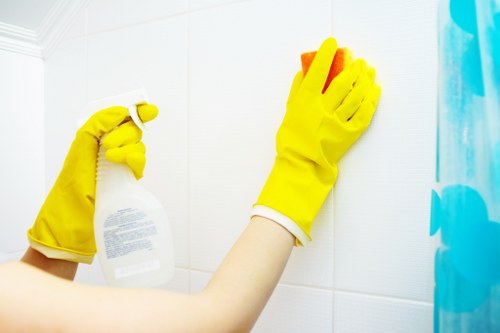
A systematic approach makes oven cleaning much more manageable. Instead of scrubbing randomly, follow a clear process so that each part of the appliance receives attention.
Step 1: Remove racks and accessories
Take out every removable item, including racks, trays, and side supports if the model allows. These can often be cleaned separately in a sink, bathtub, or with a soaking solution. Removing them also gives you better access to the interior walls and corners.
Step 2: Loosen loose debris
Use a dry cloth or soft brush to sweep away crumbs and loose particles from the oven floor. This prevents the debris from turning into paste once cleaning solution is applied.
Step 3: Apply your chosen cleaner
If you are using a homemade paste, apply it to dirty areas and avoid heating elements, fans, seals, or the oven light. Commercial products should be used exactly as directed. A good cleaner needs time to work, so allow it to sit before scrubbing.
Step 4: Scrub gently
Use a soft sponge or cloth to lift the softened grime. For stubborn spots, a plastic scraper can help without scratching surfaces. Avoid anything metal or too abrasive, as this can damage enamel or glass.
Step 5: Clean racks separately
Racks often collect heavy residue and benefit from soaking in hot water and dish soap or a degreasing solution. After soaking, scrub them thoroughly and rinse well before drying.
Step 6: Wipe the interior clean
Once grime has been removed, wipe the oven interior several times with a damp cloth until no cleaner remains. This step is essential, especially if you used a chemical product.
Step 7: Dry and reassemble
Let all parts dry fully before placing racks and trays back inside. A dry oven is less likely to develop streaks, and it is ready for safe use once reassembled.
Natural Oven Cleaning Options
Many people prefer natural oven cleaning methods because they are affordable, simple, and less harsh than some chemical alternatives. These methods are particularly useful for light to moderate buildup or routine maintenance.
Baking soda paste
A classic oven cleaning solution is a paste made from baking soda and water. Spread it over dirty surfaces, leave it for several hours or overnight, then wipe it away. Baking soda helps break down grease and soften residue without harsh fumes.
Vinegar spray
After removing the baking soda paste, a spray of vinegar can help lift leftover residue and create a foaming reaction that assists in cleaning. It is useful for wiping away lingering film and improving shine.
Lemon steam method
Another natural option is to place a heat-safe bowl with water and lemon slices in a warm oven for a short time. The steam loosens residue and leaves a fresher smell. This is best for light maintenance rather than deep oven cleaning.
Natural methods are appealing, but they do require patience. If the oven has years of buildup, you may need repeated applications or a stronger degreasing solution.
Commercial Oven Cleaners: What to Know
Commercial oven cleaners are designed to remove baked-on grease, carbon, and heavy staining more quickly than many homemade methods. They can be very effective, especially when the oven has not been cleaned for a long time. However, they should be handled carefully.
Always read the label before use. Some products are only suitable for certain surfaces, and some may not be ideal for self-cleaning or pyrolytic ovens. Gloves are recommended, and the room should be well ventilated during use.
Benefits of commercial cleaners
- Fast action on heavy grease
- Effective on stubborn buildup
- Suitable for deep oven cleaning jobs
- Often easier than repeated scrubbing
Points of caution
- Avoid spraying onto seals, fans, or electrical components
- Do not mix products
- Rinse thoroughly after use
- Keep away from children and pets
When used correctly, commercial products can save time and deliver strong results. They are especially useful for ovens that require a deep clean before moving house, hosting guests, or restoring a neglected appliance.
Special Considerations for Different Oven Types
Not every oven should be cleaned in the same way. Gas ovens, electric ovens, fan-assisted ovens, and modern pyrolytic models all have unique needs. Understanding these differences helps you choose the right oven cleaning approach and avoid costly mistakes.
Gas ovens
Gas ovens often have removable bottoms or accessible burners, but they still require caution. Make sure no moisture enters gas components. Use mild products around sensitive areas and avoid soaking the interior.
Electric ovens
Electric ovens usually have visible heating elements that should not be soaked or scrubbed aggressively. Work carefully around these parts and never use sharp tools that might damage them.
Fan ovens
Fan ovens contain a circulating fan at the back, and residue around this area can affect airflow. Wipe gently and avoid forcing cleaner into the fan housing. If the fan is heavily coated, professional oven cleaning may be the safest choice.
Pyrolytic ovens
Pyrolytic ovens use extreme heat during the self-cleaning cycle. Before using this function, remove all accessories and read the manual closely. These ovens are built for a different cleaning process, and using incompatible products can create problems.
How Often Should You Clean Your Oven?
The ideal frequency for oven cleaning depends on how often you cook and what types of meals you prepare. A family that roasts, bakes, or broils daily will likely need more regular cleaning than a household that uses the oven only occasionally.
A practical routine is to wipe spills quickly after the oven cools and perform a more thorough clean every few months. If you cook greasy foods or experience frequent splatter, monthly maintenance may be more appropriate. The key is not to let residue build up until it becomes a major job.
Regular attention makes oven cleaning quicker and less stressful. A few minutes of maintenance now can save hours later, especially if spills are handled before they harden.
Simple frequency checklist:
- After each spill: wipe once cooled
- Weekly: check racks, glass, and corners
- Monthly or quarterly: deep oven cleaning
- As needed: professional service for heavy buildup
Safety Tips for Effective Oven Cleaning
Safety should always come first. Even though oven cleaning seems like a routine household task, it involves chemicals, heat, sharp edges, and electrical components. A cautious approach helps you avoid accidents and damage.
- Always turn off the appliance before cleaning.
- Allow the oven to cool completely.
- Wear gloves when handling cleaning agents.
- Keep the area ventilated.
- Never mix different cleaners.
- Do not use steel wool or knives on coated surfaces.
- Check the manufacturer’s instructions for your model.
If you are unsure about a product or procedure, take a conservative approach. Gentle, repeated cleaning is often safer than aggressive scrubbing. This is especially true for glass doors, enamel coatings, and delicate seals.
Professional Oven Cleaning vs DIY
There are times when doing oven cleaning yourself is perfectly reasonable, and there are times when hiring a professional makes more sense. The best choice depends on the amount of buildup, the time you have available, and the condition of the appliance.
DIY oven cleaning works well for regular maintenance, light stains, and households that prefer natural solutions. It is also the most budget-friendly option. However, if the oven has thick grease layers, burnt-on spills, or odors that will not go away, professional oven cleaning may provide better results more quickly.
Professionals typically bring specialized products, tools, and experience that allow them to clean areas many homeowners cannot easily reach. They can often improve the appearance and function of the appliance in a single visit. For landlords, end-of-tenancy cleaning, or busy families, that convenience can be especially valuable.
Choose professional oven cleaning when:
- The oven has heavy carbon buildup
- You do not have time for deep cleaning
- The appliance has delicate or hard-to-reach parts
- There is smoke or odor during normal use
- You want a more thorough result with less effort
How to Keep Your Oven Cleaner for Longer
The easiest oven cleaning job is the one you do not have to do repeatedly. With a few simple habits, you can reduce buildup and keep your oven looking better between deep cleans.
Use baking trays and mats
Place food on trays, baking sheets, or oven-safe mats to catch drips and spills before they reach the bottom of the oven. This can significantly reduce staining.
Wipe spills promptly
When the oven is cool, wipe up any spills as soon as possible. Fresh residue is much easier to remove than burnt-on grease.
Cover dishes when suitable
Using lids or foil covers can help reduce splatter, especially with casseroles and juicy roasts. Just make sure the covering is safe for the cooking method you are using.
Check food regularly
Burnt food is one of the fastest ways to create extra cleaning work. Monitoring cooking times and temperatures can help prevent this issue.
By adopting these habits, you make oven cleaning part of normal home care rather than a major project that gets delayed again and again.
Choosing the Right Oven Cleaning Approach for Your Home
The best oven cleaning method is the one that fits your appliance, your schedule, and your comfort level. If you prefer low-cost and eco-friendly options, baking soda and vinegar may be enough for routine maintenance. If you need fast, powerful results, a commercial degreaser or professional service may be more appropriate.
For many households, the most effective approach is a mix of light weekly maintenance and occasional deep oven cleaning. This keeps the appliance presentable and reduces the chance of difficult buildup. It also makes cooking more enjoyable because you are not constantly dealing with smoke, odor, or visible grime.
When in doubt, start small and work methodically. Oven cleaning does not need to be dramatic to be effective. Consistency, safety, and the right tools matter more than effort alone.
If your oven is overdue for attention, now is the right time to act. Book your service now or contact us today to restore a cleaner, fresher kitchen environment.
Final Thoughts on Oven Cleaning in the Home
Oven cleaning is a practical task that supports better cooking, a more pleasant kitchen, and a longer-lasting appliance. It may not be the most exciting job on your list, but the results are easy to appreciate. A clean oven heats more evenly, smells better, and performs more reliably. Whether you handle the work yourself or choose professional oven cleaning, staying on top of the job is always worth it.
By using the right cleaning products, following safe procedures, and keeping up with light maintenance, you can avoid heavy buildup and make future cleaning easier. From natural solutions to deep degreasing methods, there are options for every type of household and every level of mess. The most important step is simply to begin.
Take action today and make oven cleaning part of your regular home care routine. A cleaner oven can improve your kitchen experience in ways that are both visible and practical, and it is one of the simplest ways to keep your home running smoothly.