Office Cleaning in Modern Workspaces: Creating Healthier, Productive, and Impressive Environments
Office cleaning is more than a routine task. It is a key part of maintaining a professional image, supporting employee well-being, and protecting the value of your workspace. In today’s fast-moving business world, office cleaning helps companies create environments where people can focus, collaborate, and feel comfortable throughout the day. Whether you manage a small office, a corporate building, or a shared workspace, keeping the premises clean can influence everything from first impressions to productivity and morale.
Many organizations now view office cleaning services as a smart operational investment rather than a basic expense. Clean desks, sanitized restrooms, polished floors, and fresh common areas all contribute to a better experience for staff and visitors alike. As workplace hygiene expectations continue to rise, the demand for reliable office cleaning solutions has grown significantly. Businesses want spaces that look presentable, reduce clutter, and support healthier daily routines.
From high-touch surfaces to carpets, windows, and break rooms, every area of an office requires attention. Effective office cleaning combines consistency, proper techniques, and the right products to deliver visible results. The most successful cleaning programs are planned around the specific needs of the workplace, making sure nothing important is overlooked.
Why Office Cleaning Matters for Every Business
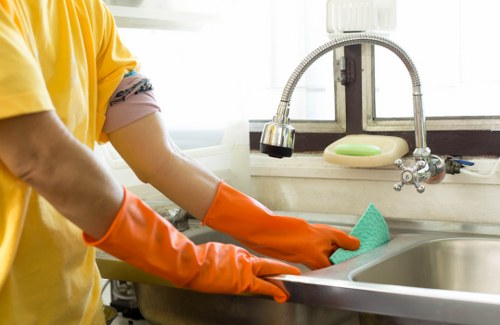
Office cleaning matters because the condition of your workspace affects people every single day. Employees work better in clean environments, clients feel more confident when they walk into a tidy office, and managers benefit from fewer hygiene-related disruptions. A well-maintained workplace reflects professionalism, organization, and care.
There is also a practical side to consistent office cleaning. Dust, dirt, and germs can build up quickly in busy spaces, especially where many people share desks, meeting rooms, and equipment. Regular cleaning helps reduce the spread of common illnesses, supports indoor air quality, and extends the life of office furniture, flooring, and fixtures.
For many companies, commercial office cleaning also plays a role in brand perception. A spotless reception area or a well-kept conference room sends a message that the business values quality. That impression can be especially important for professional services, client-facing organizations, and workplaces that host frequent visitors.
Core Areas Covered in Office Cleaning

Professional office cleaning typically includes a wide range of tasks designed to keep the workplace orderly and sanitary. While every building is different, some areas almost always need regular attention. These include desks, meeting rooms, kitchens, restrooms, hallways, elevators, and shared equipment.
Cleaning teams often focus on high-touch surfaces first. These surfaces are handled by multiple people throughout the day and can collect bacteria and debris quickly. Door handles, light switches, phones, keyboards, counters, and handrails all fall into this category. A consistent cleaning routine helps reduce buildup and supports a more hygienic office environment.
Beyond the visible areas, office cleaning services may also include floor care, trash removal, vacuuming, mopping, dusting vents, polishing glass, and disinfecting communal spaces. When these tasks are completed regularly, the entire office feels fresher, safer, and more organized.
Common office cleaning tasks
- Dusting desks, shelves, and office furniture
- Vacuuming carpets and rugs
- Mopping hard floors
- Sanitizing restrooms and break rooms
- Emptying bins and recycling containers
- Cleaning windows, mirrors, and glass partitions
- Disinfecting high-touch points and shared equipment
How Office Cleaning Supports Employee Productivity
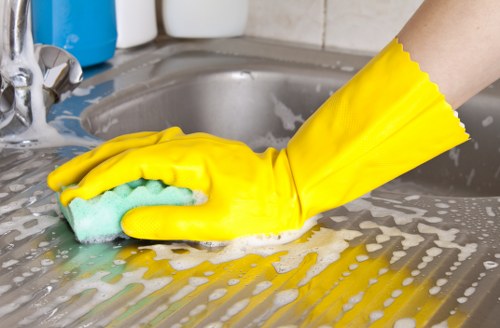
A clean office can have a direct effect on how employees work. When desks are clear, floors are tidy, and common areas are fresh, people can concentrate more easily. Clutter and dirt may seem minor, but over time they can create distractions and make a workplace feel less organized. Office cleaning helps create a setting that supports focus and efficiency.
Employees are also more likely to feel comfortable and valued when their environment is cared for. Clean surroundings contribute to a sense of professionalism and order, which can improve morale. Staff members often appreciate not having to deal with overflowing trash, messy break rooms, or dusty surfaces during their workday.
There is another important benefit: healthier employees often mean fewer interruptions. Good office cleaning reduces the chance of germs spreading through shared spaces, especially during cold and flu season. By maintaining a cleaner workplace, businesses can support attendance, reduce downtime, and promote a more consistent workflow.
Productivity benefits of office cleaning
- Improves focus by reducing visual clutter
- Supports comfort and morale
- Helps limit the spread of germs
- Creates a more professional atmosphere
- Reduces unnecessary interruptions
Office Cleaning and Workplace Hygiene Standards

Workplace hygiene has become a major priority for businesses of all sizes. Employees now expect their offices to be cleaned thoroughly and regularly, especially in shared environments. This is why office cleaning is often planned around hygiene standards that go beyond basic tidiness.
Sanitation practices may include disinfecting restrooms, wiping down common-use surfaces, and paying close attention to kitchens and break areas. These spaces are used frequently and can become hotspots for bacteria if not cleaned properly. A structured office cleaning routine helps maintain a healthier environment for everyone in the building.
Businesses that prioritize hygiene often choose professional office cleaning because trained teams understand how to clean effectively without disrupting work. They know how to handle different surfaces, use appropriate products, and focus on the areas that matter most. This creates a cleaner office while reducing the risk of damage to furniture, electronics, and flooring.
High-priority hygiene zones
- Restrooms and washrooms
- Kitchenettes and coffee stations
- Shared desks and workstations
- Reception counters
- Meeting tables and chairs
- Elevator buttons and door handles
Choosing the Right Office Cleaning Approach

Every business has different cleaning needs, so choosing the right approach is important. A small office may need light daily maintenance and weekly deep cleaning, while a larger building may require a more detailed cleaning schedule. The best office cleaning plan is one that matches the size, layout, traffic level, and usage patterns of the space.
Some businesses prefer in-house cleaning staff, while others rely on outsourced cleaning providers. Both options can work well, but outsourced office cleaning services often offer greater flexibility and specialized expertise. Professional cleaners can bring the right equipment, products, and training to handle a wide range of surfaces and tasks.
When evaluating office cleaning solutions, it is helpful to consider service frequency, scope of work, and the needs of your team. The most effective cleaning arrangement is one that keeps the office consistently clean without interrupting normal operations.
Factors to consider when selecting office cleaning services
- Office size and number of rooms
- Daily foot traffic
- Type of flooring and furniture
- Presence of shared kitchens or restrooms
- Security and access requirements
- Cleaning frequency and scheduling flexibility
Daily, Weekly, and Deep Office Cleaning Tasks
Office cleaning works best when it is broken into manageable tasks based on frequency. Daily cleaning keeps the workplace looking neat, weekly cleaning addresses buildup, and deep cleaning takes care of details that may not be visible at first glance. This layered approach ensures the office stays in good condition over time.
Daily tasks usually focus on the basics. These include wiping down surfaces, removing trash, sanitizing high-touch points, and keeping restrooms stocked and clean. Weekly office cleaning may involve vacuuming under furniture, scrubbing floors more thoroughly, cleaning appliances, and polishing shared areas. Deep cleaning can include carpet extraction, window washing, vent dusting, and detailed disinfection.
By separating tasks into categories, businesses can build a realistic cleaning schedule that supports the workplace without causing disruption. This structure also makes it easier to track what has been completed and identify areas that need more attention.
Examples of cleaning frequency
- Daily: trash removal, surface wiping, restroom cleaning
- Weekly: floor care, dusting, kitchen sanitizing
- Monthly: detailed glass cleaning, vents, and behind-furniture cleaning
- Seasonal: deep carpet care, upholstery refresh, full sanitation
Office Cleaning Best Practices for a Cleaner Workplace
To get the best results from office cleaning, businesses should follow a few proven best practices. First, make cleanliness part of the workplace culture. When employees are encouraged to keep personal areas tidy and dispose of waste properly, the cleaning process becomes much easier and more effective.
Second, use the right cleaning products for the right surfaces. Not every cleaner works on every material, and incorrect product choices can damage desks, screens, and floors. Professional office cleaning teams know how to select suitable products for wood, glass, metal, fabric, and tile.
Third, pay attention to consistency. A one-time cleaning effort may look good temporarily, but a reliable cleaning routine is what keeps the office in top condition. Consistent scheduling also helps create trust among employees and visitors, who can expect the workplace to remain neat and well-managed.
Simple best practices
- Establish a clear cleaning schedule
- Focus on high-traffic and high-touch areas
- Use safe products for different surfaces
- Encourage staff to maintain personal workspaces
- Review cleaning quality regularly
The Role of Professional Office Cleaning Services
Professional office cleaning services offer many advantages for businesses that want reliable results. A trained cleaning team can work efficiently, follow structured procedures, and address areas that might otherwise be overlooked. This is especially valuable in busy offices where staff members do not have time to manage cleaning themselves.
Another major benefit is consistency. With professional office cleaning, the office is maintained to a high standard on a regular basis. That consistency is important for first impressions, workplace hygiene, and long-term upkeep. It also reduces the burden on employees, who can focus on their jobs rather than worrying about cleaning tasks.
For larger organizations, outsourced cleaning can also improve scalability. As a business grows, its cleaning needs may change. Professional office cleaning providers can adjust service levels, add specialized tasks, or increase frequency when needed. This flexibility makes them a practical option for many different industries.
Benefits of professional support
- Reliable and repeated results
- Access to trained cleaning staff
- Better time management for employees
- Flexible service options
- Improved workplace hygiene and appearance
Office Cleaning for Different Types of Workplaces
Office cleaning is not one-size-fits-all. The needs of a law firm, creative agency, medical office, and coworking space can differ significantly. Each setting requires a cleaning plan tailored to traffic, equipment, privacy, and hygiene expectations.
For example, a reception-heavy office may need extra attention in public-facing areas, while a technology office may require care around devices, cables, and shared screens. A coworking space may need frequent sanitizing due to high turnover and shared surfaces. Meanwhile, executive offices might prioritize dust-free furniture, polished floors, and discreet cleaning schedules.
Understanding the specific demands of the workplace allows for more effective office cleaning solutions. The cleaner and more organized the office is, the easier it becomes to support business operations and maintain a professional image.
Examples by workplace type
- Corporate offices: focus on meeting rooms, desks, and shared spaces
- Medical offices: prioritize sanitation and high-touch disinfection
- Coworking spaces: require frequent cleaning of shared areas
- Small businesses: need flexible, budget-conscious cleaning routines
- Creative studios: balance cleanliness with equipment care
Why Clean Offices Leave a Better Impression
First impressions matter, and office cleaning plays a major role in shaping them. When clients, candidates, vendors, or partners enter a clean and organized space, they are more likely to view the business as trustworthy and competent. A clean environment communicates attention to detail and respect for everyone who enters the building.
The same is true for employees. People are more likely to feel proud of their workplace when it is well cared for. That pride can contribute to better engagement and stronger alignment with company values. In this way, office cleaning supports not just hygiene but also company culture.
Visible cleanliness also reduces stress. A cluttered or dirty office can make people feel overwhelmed, while a neat environment tends to feel calmer and more productive. This is one of the reasons many organizations make office cleaning a regular operational priority rather than leaving it to chance.
Contact us today to explore reliable office cleaning options that fit your workplace needs and schedule. If you want a cleaner, healthier, and more polished office, book your service now and keep your business environment looking its best.
Long-Term Value of Consistent Office Cleaning
Over time, consistent office cleaning provides more than immediate visual benefits. It helps protect carpets from premature wear, prevents grime from building up on surfaces, and reduces the likelihood of costly maintenance issues. Clean offices are easier to manage and often last longer in better condition.
There is also a financial advantage to maintaining cleanliness. When offices are cleaned regularly, businesses may spend less on repairs, replacements, and emergency cleanups. Well-maintained spaces can support employee retention, strengthen client confidence, and improve the overall functionality of the workplace.
Ultimately, office cleaning is about creating an environment that supports business success. It combines appearance, hygiene, comfort, and efficiency in one practical routine. For modern organizations, that makes it one of the most valuable services available.
Book your service now if you are ready to improve your workspace with dependable office cleaning that supports productivity, hygiene, and a professional image every day.