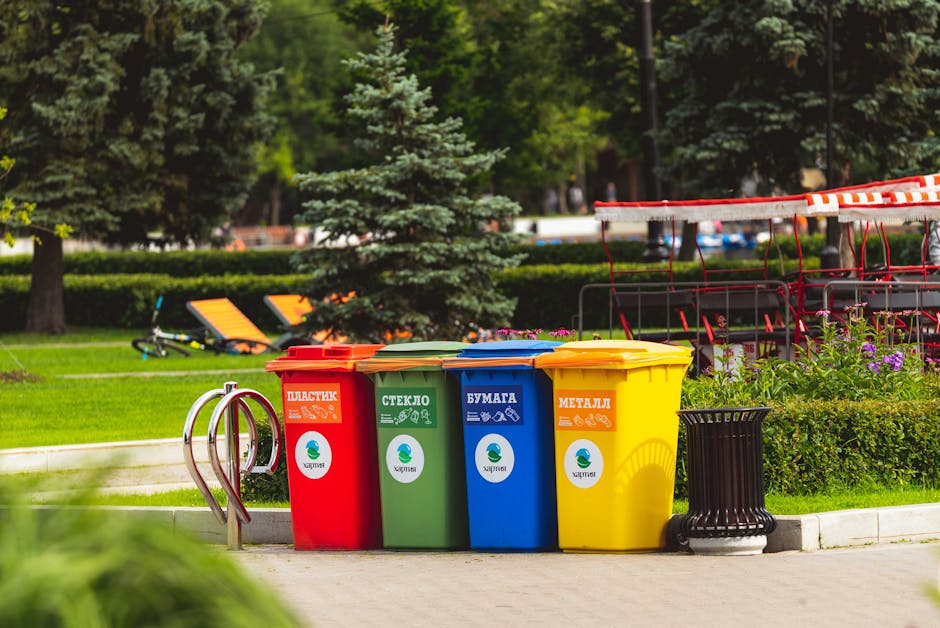
Kingston Council waste disposal rules for cleaning companies

If you run a cleaning business in Kingston, waste is never just "rubbish." It can be the last thing left after a job, the thing a client notices first if it's handled badly, and sometimes the thing that creates the biggest compliance headache. The Kingston Council waste disposal rules for cleaning companies shape how you separate, store, move, and dispose of everything from bagged general waste to broken packaging, chemical containers, and bulky debris. Get it wrong and you risk complaints, missed collections, or worse, enforcement action. Get it right and the job feels smoother, safer, and far more professional.
This guide breaks the topic down in plain English: what the rules mean in practice, how cleaning teams should organise waste on-site, what to do with different waste types, and the common mistakes that trip people up. You'll also find a checklist, a comparison table, and a realistic example from day-to-day cleaning work. Nothing fancy. Just practical guidance that helps you do the job properly.
Why Kingston Council waste disposal rules for cleaning companies Matters
Cleaning companies generate a wider mix of waste than many people realise. One day it's bin bags from a domestic cleaning visit. Next it's dust, offcuts, and packaging from after builders cleaning. Then there's broken glass from a window job, used cloths, mop heads, or an awkward bag of items left behind after an end-of-tenancy clean. That variety is exactly why local waste rules matter so much.
For a customer, waste removal is part of the service experience. They want the property left tidy, not with black bags stacked by the side gate or a trail of packaging by the kerb. For the business, the stakes are bigger. Council rules affect how waste should be presented, whether it can be placed in household bins, and whether you're allowed to dispose of it through standard collections at all. Some waste can look harmless but still needs special handling. A bottle of cleaning chemical, for example, is not treated the same way as empty cardboard.
There is also a reputational angle. If you work in Kingston, word travels fast, especially among landlords, office managers, and letting agents. A team that handles waste neatly tends to look more organised everywhere else too. That sounds small, but it really isn't. People notice when the skip area is tidy and the van isn't overflowing with mixed rubbish. It quietly builds trust.
Expert summary: the safest approach is simple: separate waste early, keep records where needed, and never assume every job can use the same disposal method. Cleaners who build a routine around this save time, money, and stress.
How Kingston Council waste disposal rules for cleaning companies Works
The process is usually more practical than people expect. In most cleaning jobs, waste handling starts on site long before anything reaches a bin lorry or disposal point. The main principle is separation. General rubbish goes one way, recyclables go another, and anything potentially hazardous stays isolated until it can be dealt with properly.
In everyday terms, a cleaning company working in Kingston should think in terms of categories:
- General waste such as non-recyclable packaging, disposable cloths, and mixed household rubbish.
- Dry mixed recycling where local arrangements allow, typically clean cardboard, paper, and certain plastics.
- Glass and sharp items that need secure handling so nobody gets cut.
- Bulky waste such as damaged small furniture, mattress-related debris, or heavily contaminated items.
- Hazardous or controlled waste including some chemicals, aerosols, or contaminated absorbent materials.
That final category is the one to treat carefully. A cleaning product may be fine during use but problematic after it has been mixed with other waste or decanted into an unlabelled container. Truth be told, this is where rushed jobs often go sideways. If your team clears a greasy extractor hood or carries out an oven cleaning job, the residue, wipes, and empty bottles should not just be thrown together without thinking.
For regular service contracts, the process becomes simpler because you can standardise it. A team doing regular cleaning at the same office or rental property can agree in advance where waste goes, which bins may be used, and how often the bins are presented for collection. That planning avoids those awkward ten-minute scrambles at the end of a job when everyone is asking, "Where do we put this?"
If waste needs to leave the premises in a company vehicle, you should make sure the transport arrangement is lawful, tidy, and suitable for the material being carried. Even a short trip across Kingston can still count as waste transport, so the basic controls matter. No drama. Just disciplined habits.
Key Benefits and Practical Advantages
Following the local waste disposal rules brings more than compliance. It can improve almost every part of the service.
1. Better presentation to clients. A property that is cleaned and cleared properly simply feels finished. That matters in end-of-tenancy work, move-out cleans, and post-refurbishment jobs where the waste is the last visual proof of the service.
2. Lower risk of contamination. Keeping chemical waste apart from recyclable packaging makes disposal safer and reduces the chance of a bin being rejected or mishandled.
3. Faster close-down at the end of a job. When every cleaner knows the disposal routine, the final sweep and pack-down go much quicker. Less faffing about. More done.
4. Fewer complaints and disputes. Landlords, tenants, and offices are far less likely to question a clean if the waste has been removed neatly and responsibly.
5. Better support for recycling and sustainability goals. Many businesses now want practical, visible sustainability. A company that sorts waste sensibly during commercial cleaning or office cleaning can align with those expectations without making a song and dance about it.
6. Reduced health and safety risk. Loose glass, overfilled bags, and chemical residue can lead to slips, cuts, and exposure incidents. A tidy system is safer, full stop.
Who This Is For and When It Makes Sense
This topic is relevant to far more than one type of cleaner. If your business touches any property where waste is created, the Kingston Council waste disposal rules for cleaning companies matter to you.
- Domestic cleaners who clear kitchen waste, bathroom packaging, and day-to-day household rubbish.
- End of tenancy teams who often deal with abandoned items, general waste, and the odd mystery bag left under the sink.
- After-builders crews who face dust, rubble, polythene, plaster residue, and heavy packaging.
- Office and commercial cleaners who may need controlled routines for mixed bins, shredding, food waste, or communal recycling points.
- Landlords and letting agents who want a cleaner to leave a property ready for inspection without leaving disposal problems behind.
- Specialist cleaners such as carpet cleaning, upholstery cleaning, sofa cleaning, and window cleaning providers who may generate wastewater, pads, broken fittings, or packaging that needs responsible disposal.
It also makes sense whenever a job has a lot of moving parts: an Airbnb turnaround, a deep clean after building work, or a move-in clean where old clutter is mixed with new cleaning tasks. In those cases, waste handling needs a plan, not improvisation.
And yes, if your business is small and you only do a few jobs a week, the rules still matter. In some ways they matter even more because one messy disposal mistake can hurt your reputation harder than it would a larger firm.
Step-by-Step Guidance
Here's a practical way to build a compliant waste routine into your cleaning workflow.
- Identify the waste before you start. Walk the property and note what you're likely to generate: packaging, food waste, used cloths, aerosol cans, broken items, or chemical containers.
- Separate waste at the point of generation. Don't leave everything in one bag and sort it later. That's how contamination starts.
- Use the right containers. Make sure your rubbish bags, boxes, and lidded tubs are appropriate for the material and strong enough not to split on the way out.
- Keep hazardous material apart. If a product is labelled as hazardous, or you are unsure, keep it separate until someone competent checks it.
- Avoid overfilling. A bag stuffed to the brim is a spill waiting to happen. Leave room to tie it safely.
- Present waste correctly for collection. Follow the local bin arrangement or approved collection method for that site. Do not dump waste beside bins or assume someone else will deal with it.
- Document anything unusual. If you removed broken glass, a large volume of waste, or a suspect chemical container, record it in your job notes.
- Review the job after completion. A quick final check catches bits of packaging, stray wipes, and one annoying bottle rolling under a radiator. It happens.
If you offer deep cleaning or one-off cleaning, this process is especially useful because those jobs often create more waste than routine visits. More dust, more forgotten items, more random stuff. The exact sort of job where a tidy system pays off.
A simple decision rule
If waste is clean and ordinary, treat it as standard waste or recyclables where appropriate. If it is sharp, contaminated, chemical-based, or likely to cause a mess in transit, pause and handle it separately. That one rule prevents a lot of avoidable trouble.
Expert Tips for Better Results
These are the small habits that make a real difference in day-to-day cleaning operations.
- Standardise your bag colours or labels. Even a simple visual system can stop recycling and general waste from being mixed up.
- Carry a few spare liners and a sealable container. Handy for broken glass, sharp packaging straps, or small hazardous leftovers.
- Train staff on the "what not to mix" rule. New cleaners often understand the cleaning part instantly, but waste sorting takes a bit of repetition.
- Build waste checks into your end-of-job routine. If the site is a commercial property, follow the same exit pattern every time so nothing is missed.
- Use the right service for the job type. A post-build clean has different waste pressures than a regular house clean, so your method should change too.
- Ask the client about site rules before arrival. This is particularly helpful in flats, managed blocks, and business premises with specific bin-store arrangements.
If you want a small operational win, create a one-page waste note for each recurring client. Nothing glamorous. Just a neat record of bin locations, collection days, access codes where appropriate, and any special do-not-do instructions. That one page can save a surprising amount of time.
To be fair, many waste problems are not really waste problems at all. They're communication problems dressed up as waste problems.
Common Mistakes to Avoid
Most avoidable issues fall into a handful of patterns. Once you know them, they're easier to dodge.
- Mixing everything together. This is the big one. Mixed bags are harder to dispose of and more likely to be rejected or handled badly.
- Leaving waste in public or shared areas. Stairwells, bin stores, and communal entrances should never become the temporary holding area unless the site rules explicitly allow it.
- Ignoring chemical residues. Used product containers can still contain leftovers. That matters more than people think.
- Using household bins for business waste without checking the arrangement. This can cause problems for clients and for your own company if you do it repeatedly.
- Forgetting about sharps and broken items. Even a tiny shard of glass can turn a smooth job into an injury risk.
- Assuming builders' waste is the same as cleaning waste. It isn't. Construction and refurbishment jobs often need a different disposal approach.
- Not recording unusual waste. If something looked questionable, write it down. Future-you will be grateful.
One small but common issue: a cleaner finishes a late-afternoon job, the light is fading, and the last bag gets left by the side gate "just for a minute." Then another team, another resident, or a gust of wind gets involved. It's not dramatic, but it's messy. And needless.
Tools, Resources and Recommendations
You don't need a complicated system to manage waste well. A practical kit is usually enough.
- Heavy-duty refuse sacks for standard waste and general room clear-outs.
- Clear or labelled bags to help separate recyclables where the site supports it.
- Small sealed tubs or containers for sharp waste and contaminated cloths.
- Disposable gloves and hand gel to reduce contact risk during pack-down.
- Clipboards or digital job notes for recording unusual waste and collection instructions.
- Basic staff training notes so every cleaner uses the same disposal routine.
For businesses that want to show a broader commitment, the page on recycling and sustainability is a useful place to align waste handling with greener working habits. It helps if your clients care about environmental standards, and many do now. They might not ask outright, but they notice.
It is also sensible to keep your internal policies tidy and easy to find. A clear health and safety policy, sensible insurance and safety arrangements, and well-written terms and conditions all support better operational control. Waste handling sits neatly inside that bigger picture.
Law, Compliance, Standards, or Best Practice
Waste disposal for cleaning companies is not just a courtesy issue. It is tied to broader legal and operational duties in the UK. The exact requirements can vary depending on the waste type, the premises, and how the material is being moved or stored. So it is wise to treat local council instructions, general waste law, workplace safety duties, and site-specific rules as part of one system rather than separate boxes.
In practical terms, that means:
- you should not dispose of waste in a way that creates nuisance, hazard, or contamination;
- you should separate recyclable, general, and potentially hazardous materials where possible;
- you should ensure staff understand safe handling and transport;
- you should follow the property's bin arrangement and any local collection rules;
- you should keep reasonable records for unusual waste or recurring disposal arrangements.
For cleaning businesses, best practice is often just good housekeeping with discipline. The sort of thing that feels obvious once it is in place. But getting there can take a bit of organisation, especially if you cover commercial cleaning, end of tenancy cleaning, and busy homes all in the same week. Each setting has its own rhythm.
Where a site includes mixed waste, bulky rubbish, or anything potentially hazardous, it is safer to stop and confirm the right route than to improvise. Honestly, that small pause is worth it.
Options, Methods, or Comparison Table
Different cleaning jobs call for different disposal methods. Here's a straightforward comparison to help you choose the right approach.
| Waste type | Typical method | Best for | Main caution |
|---|---|---|---|
| General waste | Bag, tie, present for standard collection where allowed | Routine cleaning jobs, domestic clears | Do not overload or mix with sharps |
| Dry recyclables | Separate into the correct recycling stream | Packaging, cardboard, clean plastics | Keep contaminated items out |
| Sharp waste | Place in a secure, puncture-resistant container | Broken glass, sharp fragments | Never put loose sharps in a bag |
| Chemical waste | Isolate and follow the correct disposal route | Leftover cleaning chemicals, aerosols | Check labels and avoid mixing products |
| Bulky waste | Arrange an appropriate uplift or removal method | Large items from move-outs or clearances | Do not leave it in communal spaces |
If you mainly work on house cleaning or communal area cleaning, the first two rows will probably cover most of your daily waste. If you do specialised or messy jobs, the last three rows suddenly become much more important.
Case Study or Real-World Example
Imagine a cleaner finishing a three-bedroom end-of-tenancy job in Kingston on a wet Tuesday afternoon. The flat has a few abandoned items in the kitchen, a pile of cardboard from new furniture, two used product bottles, and a cracked bathroom shelf. Nothing dramatic. Just the usual mix of minor chaos that makes these jobs feel busier than they looked on paper.
The team sorts the waste before leaving the property. Cardboard is kept separate. The broken shelf is wrapped safely so nobody gets scratched. The product bottles are checked, and anything with residue is handled carefully rather than tossed into recycling. The final bag is tied properly and taken out in one go, not shuffled around in stages.
The difference is obvious. The landlord gets a clean, ready-to-show flat. The cleaners avoid leaving a mess in the shared hallway. The job finishes with less stress and no awkward call-back later in the day. Simple, really. But that simplicity only comes from having a routine.
This kind of approach works just as well for an move-out cleaning visit or a short-term rental turnover. The main lesson is that waste handling is part of the finish, not an afterthought.
Practical Checklist
Use this checklist before you leave each job.
- Have I separated general waste, recycling, and anything hazardous?
- Are all bags tied securely and not overfilled?
- Have I checked for broken glass, sharp fragments, or exposed edges?
- Are chemical containers empty, sealed, and handled according to the label?
- Have I followed the property's bin-store or collection instructions?
- Is any bulky or unusual waste recorded in my job notes?
- Have I avoided leaving waste in a communal area, driveway, or pavement edge?
- Do I know whether the client expects anything to be recycled separately?
- Have I cleaned the last area after the waste is removed, not before?
- Would I be happy for the client to inspect the property right now?
If you can answer yes to most of those without thinking too hard, you're probably in decent shape.
Get a free quote today and see how much you can save.
Conclusion
Kingston Council waste disposal rules for cleaning companies are really about one thing: doing the job properly from start to finish. Waste is part of the service, part of the safety picture, and part of how clients judge your standards. Whether you clean homes, offices, rental properties, or post-build spaces, a consistent disposal routine protects your team and makes the whole business feel more reliable.
The best systems are not complicated. Separate waste early. Treat chemicals and sharps carefully. Follow the site's arrangements. Keep notes when something unusual crops up. And make sure everyone on the team understands that "just dump it all together" is not a strategy. It never is.
If you build those habits into everyday work, the rest gets easier. Less mess, fewer mistakes, fewer callbacks. That's a good place to be.
And honestly, in a business where the final impression matters, a tidy exit says a lot without saying a word.
Frequently Asked Questions
What are the Kingston Council waste disposal rules for cleaning companies in plain English?
In plain English, they mean cleaning businesses need to separate waste properly, use the correct disposal route for each type of material, and avoid leaving rubbish in the wrong place. General waste, recycling, sharps, and chemical leftovers should not all be treated the same way.
Can a cleaning company put waste in a client's household bin?
Sometimes, but only where the property arrangement allows it and the waste is appropriate for that bin. It is always better to confirm the site's rules first rather than assume standard household bins are available for business waste.
What should cleaners do with leftover chemical bottles?
Check the label and keep anything with residue separate from ordinary waste or recycling unless you are sure it can be disposed of safely. If the container is hazardous or contaminated, it needs more careful handling.
Do cleaning companies need special bins for waste?
Not always. For many jobs, sturdy bags and secure containers are enough. But if your work regularly creates sharps, chemical waste, or mixed debris, having a few dedicated containers makes compliance much easier.
Is builders' waste handled differently from normal cleaning waste?
Yes. Builders' waste often includes rubble, plaster dust, broken fittings, and heavier debris that may need a different disposal route. Jobs like after builders cleaning usually need more planning than routine house cleaning.
What is the biggest mistake cleaning companies make with waste?
The biggest mistake is mixing everything together. Once waste is contaminated, it becomes harder to recycle, harder to move safely, and more likely to cause problems for the client or the cleaning business.
How should a cleaner handle broken glass during a job?
Broken glass should be collected carefully, wrapped or placed in a secure puncture-resistant container, and never left loose in a standard rubbish bag. Even tiny fragments can cause injuries later.
Does this matter for small cleaning businesses too?
Yes, absolutely. Small businesses often rely more heavily on trust and reputation, so waste handled badly can hurt more than people expect. A neat, consistent routine makes a small team look much more professional.
What's the best approach for recurring office contracts?
For recurring contracts, agree the bin locations, collection rules, and recycling setup in advance. That way the team can follow the same process every visit and avoid confusion, especially in larger buildings.
How can a cleaning company show good waste practice to clients?
Keep the disposal process tidy, leave the site clear, follow the agreed bin arrangement, and mention recycling or sustainability measures where relevant. Clients usually notice the result even if they never ask about the process.
Do end-of-tenancy jobs create special waste issues?
They often do, because abandoned items, mixed rubbish, packaging, and occasional broken objects are more common. A good end of tenancy cleaning routine should include a clear waste plan from the start.
Where can I find the right service information if I need help with a specific cleaning job?
If you want to match your waste handling to the type of cleaning work you do, review the relevant service pages such as office cleaning, deep cleaning, or regular cleaning. That helps you align disposal routines with the actual job type.