Cleaning permits and fines Kingston upon Thames council guide
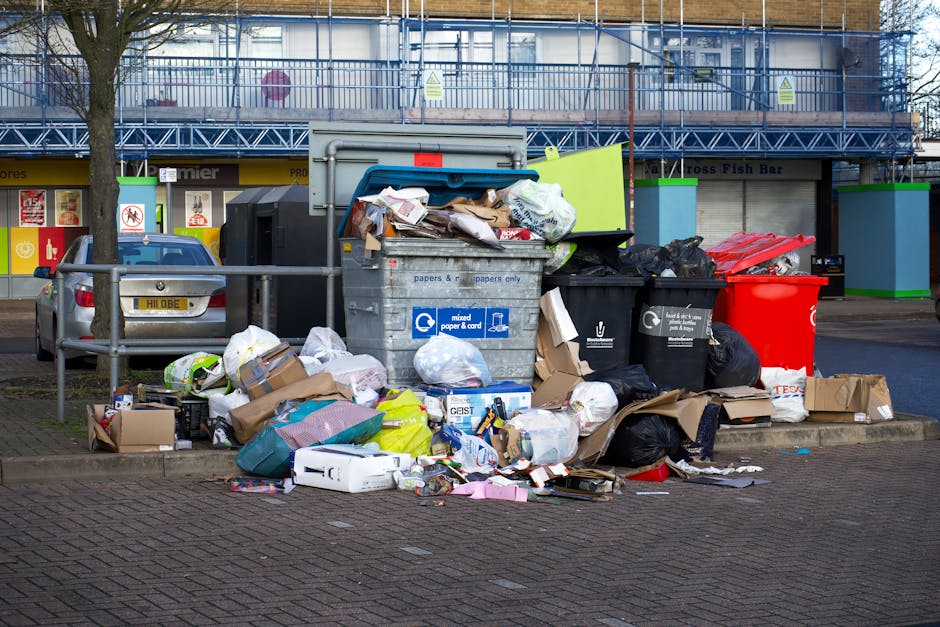
If you are arranging a clean in Kingston upon Thames and wondering whether you need a permit, what could trigger a fine, or how to avoid headaches with the council, you are in the right place. The phrase Cleaning permits and fines Kingston upon Thames council guide sounds very specific, but in practice it covers a few common situations: parking a van, using skips or access equipment, working around public land, disposing of waste properly, and keeping neighbours, landlords, or business managers happy. A small job can become awkward surprisingly quickly. One minute you are just booking a clean; the next, there is a penalty notice on the windscreen. Not ideal.
This guide breaks it down in plain English. You will learn when permits may be needed, where fines usually come from, how to reduce risk, and what sensible best practice looks like for domestic, commercial, end-of-tenancy, after-builders, and specialist cleaning jobs across Kingston upon Thames.
Why Cleaning permits and fines Kingston upon Thames council guide Matters
Cleaning jobs often look simple from the outside. But in Kingston upon Thames, as in much of London, the practical reality can involve more than cloths, sprays, and a booking slot. If your team needs to park on a restricted street, unload equipment near a business, place a skip for waste, or operate with ladders, hoses, or other access tools, local rules may affect the job. That is where permits become relevant.
Why should you care? Because fines, charge notices, and delays usually arise from small things that get overlooked. A van parked where it should not be. Waste left in the wrong place. Tools blocking a pavement. A resident who assumed the cleaner "would sort it." It sounds mundane, but these are the moments that create avoidable cost.
The guide matters for another reason too: good compliance protects your reputation. Clients remember when a job finishes neatly and quietly. They also remember when a cleaner leaves a mess, causes a parking dispute, or creates a complaint. In our experience, the best cleaning businesses are rarely the ones scrambling at the kerbside. They are the ones who plan the boring details early. Boring, yes. Effective, absolutely.
If you are comparing services, it helps to choose a provider that already thinks this way. A business with clear operational standards, like a written health and safety policy and sensible operational controls, is usually better placed to manage permit-related risk without drama.
How Cleaning permits and fines Kingston upon Thames council guide Works
First, a useful distinction: most cleaning work does not require a special "cleaning permit" just because the job is a clean. The permit question usually appears because of the way the clean is carried out, not the cleaning itself.
For example, a company might need permission to:
- park a vehicle in a controlled bay while carrying equipment;
- occupy part of a pavement or road with access gear;
- place a skip or container for rubbish after an after-builders or move-out clean;
- use water extraction equipment in a shared or managed building;
- work in a communal area where building management has its own rules.
Most fines come from non-compliance, not from cleaning itself. Common examples include parking contraventions, obstruction issues, fly-tipping concerns, or improper disposal of waste. A contractor might think, "I will only be there twenty minutes," and then return to a ticket. Councils do not usually care that the job was quick. That part is on you, which is a bit rude but true.
There is also a practical difference between council enforcement and private building rules. A council penalty may relate to parking or street activity. A landlord, managing agent, or site manager may apply separate rules about access, lift use, waste handling, or noise. The two can overlap, and that is where confusion creeps in.
If you are booking a deep clean, end-of-tenancy service, or specialist clean, ask early how the contractor handles parking, building access, and waste removal. A clear answer is reassuring. A vague answer usually means you are the one who will be solving problems later.
Key Benefits and Practical Advantages
Understanding permit and fine risk is not only about avoiding penalties. It also improves the whole job from start to finish.
- Fewer delays: If parking and access are planned, cleaners can start on time and finish without stop-start chaos.
- Lower cost risk: Avoiding fines is the obvious part, but planning also reduces wasted labour and repeat visits.
- Better client confidence: Homeowners, tenants, landlords, and office managers like seeing that the process has been thought through.
- Cleaner handover: Good compliance usually goes hand in hand with better site tidiness and more professional conduct.
- Less stress for the customer: Nobody wants to spend their morning chasing parking, explaining access, or dealing with a complaint.
For example, an end-of-tenancy clean in a Kingston flat can run very smoothly if the cleaner knows whether a parking space is available, whether lift access needs booking, and whether the building expects rubbish to be taken away in a particular way. Without that prep, even a good clean can feel rushed and messy around the edges.
Many customers also notice the difference in communication. A company that asks practical questions before arrival usually delivers a better experience. If you are comparing providers, pages like pricing and quotes can help you understand how transparent a company is before you even book.
Who This Is For and When It Makes Sense
This guide is useful for more people than you might expect. It is not just for business owners with fleets of vans. It is for anyone who might be responsible, even indirectly, for a cleaning visit in Kingston upon Thames.
- Homeowners booking a one-off clean, deep clean, or specialist service.
- Tenants preparing for move-out or end-of-tenancy inspections.
- Landlords and letting agents coordinating move-in or move-out cleans.
- Office managers arranging recurring or one-off commercial cleaning.
- Hospitality hosts needing quick turnaround cleaning between guests.
- Building managers dealing with communal spaces, shared entrances, or managed waste streams.
- Cleaning companies wanting to reduce parking, access, and waste issues before arrival.
It makes the most sense when the job is more than a quick dust and wipe. If there is equipment, a vehicle, a time-sensitive handover, or any shared access involved, then permit and fine risk should be part of the plan. Truth be told, it is usually the "simple" jobs in busy streets that get caught out.
Services such as end of tenancy cleaning, after builders cleaning, and office cleaning are especially worth planning carefully because they often involve timing pressure, parking constraints, or waste handling.
Step-by-Step Guidance
Here is a practical way to handle cleaning permit and fine risk in Kingston upon Thames without overcomplicating it.
- Check the job location and access route. Is it a narrow residential street, a managed block, a commercial premises, or a mixed-use building? The more constrained the access, the more likely rules matter.
- Ask what vehicles or equipment will be used. A small domestic visit is very different from a contractor arriving with extraction machines, ladder systems, or waste sacks.
- Confirm parking arrangements early. Do not leave it until the morning of the clean. If there is no easy place to stop, the risk of a penalty rises fast.
- Check whether waste will be removed. For heavier jobs, such as after builders or move-out cleans, waste may need a proper disposal plan. Do not assume bins will do the job.
- Review building or landlord rules. Some blocks require advance booking for lifts, loading bays, or communal access. Miss that step, and you can end up waiting in a stairwell with a pile of gear. Not fun.
- Put the plan in writing. Even a simple message confirming access, parking, and responsibilities can prevent confusion later.
- Keep evidence. Photos of the access point, written approvals, and parking notes can be useful if a dispute or fine happens later.
A small habit goes a long way here: ask one extra question before the job rather than three apologies after it. That is the whole trick, really.
Expert Tips for Better Results
The following tips come from the kind of operational details that tend to separate smooth jobs from messy ones.
- Build permit checks into the booking process. If you wait until arrival, you are already late.
- Separate parking from access. They are related, but not the same. A clean may be fully allowed while the parking arrangement is still wrong.
- Use the right service type. A standard regular cleaning visit usually needs less logistical work than a full deep clean or post-refurbishment job.
- Keep communal areas clear. In shared buildings, respect lift lobbies, corridors, and entrances. Neighbours notice more than you think.
- Plan for waste, not just cleaning. Bags, debris, packaging, and removed items can be the real source of trouble.
- Don't rely on verbal permission alone. A quick call is useful, but a written confirmation is better.
- Check insurance and safety arrangements. For peace of mind, it helps when the provider can point you toward their insurance and safety information.
If you are a customer, one very practical question is this: "What happens if parking or access is restricted on the day?" A good company will answer clearly. If they dodge it, that tells you something. Maybe not everything, but enough.
Common Mistakes to Avoid
The same mistakes show up again and again. Most are avoidable, which is slightly annoying because it means they are preventable and still happen anyway.
- Assuming no permit is ever needed. The job may be a clean, but the logistics can still trigger local restrictions.
- Leaving parking until the last minute. This is one of the fastest ways to create a fine risk.
- Ignoring building rules. Managed flats, offices, and mixed-use spaces often have their own procedures.
- Forgetting waste disposal. If rubbish, packaging, or debris is not handled properly, the clean can turn into a complaint.
- Booking the wrong service. A light tidy will not cover the needs of a heavy post-build clean, and the reverse is wasteful.
- Failing to brief the cleaner. A 30-second note about parking bays, lockboxes, or site contact details can save a lot of grief.
One common scenario: a tenant books a move-out clean, the cleaner arrives early, and the nearest legal bay is already full. The van circles, the job starts late, and everyone feels the pressure. No one is thrilled. A tiny bit of planning would have fixed it.
Tools, Resources and Recommendations
You do not need a pile of complicated tools to manage this well. But a few simple resources make a real difference.
- Booking notes: Keep parking instructions, entry codes, and contact names in one place.
- Photo references: Pictures of loading points, entrances, or restricted areas can prevent misunderstandings.
- Written confirmation: Email or message records help if access or responsibility is later disputed.
- Service pages: Review the scope of the job in advance. For example, deep cleaning and move out cleaning often involve more preparation than a standard weekly visit.
- Company policies: Look for clear operational documents. A transparent terms and conditions page is a good sign that the business takes process seriously.
If sustainability matters to you, it can also be worth checking how waste and consumables are handled. A cleaning provider that references recycling and sustainability is more likely to think carefully about disposal and environmental impact, which is often useful when you are dealing with post-clean waste or packaging.
For people booking domestic services, a routine clean such as domestic cleaning or house cleaning usually needs less coordination, but even there, parking and access can still trip you up on a busy street.
Law, Compliance, Standards, or Best Practice
This topic sits at the edge of cleaning operations, council enforcement, landlord rules, and general good conduct. That means you should be careful about making assumptions.
In the UK, compliance can involve several overlapping areas:
- Parking and traffic controls: these affect where and when a cleaning vehicle may stop.
- Waste handling: refuse and removed items must be disposed of lawfully and responsibly.
- Health and safety: access equipment, chemicals, and work areas need safe handling.
- Property rules: managed buildings may require bookings, permits, or approved contractors.
Best practice is simple: identify the likely pinch points before the job starts, and make sure someone is clearly responsible for each one. In a commercial setting, that could mean the site manager. In a domestic setting, it may be the tenant, landlord, or cleaner. If nobody owns the issue, the issue owns you. Bit dramatic, but you get the idea.
For safety-led cleaning work, a company should also be able to explain how it manages staff training, public contact, and site risk. That is one reason pages like about us can be useful: they help you judge whether the firm has a proper operating mindset or just a nice logo and a promise.
Options, Methods, or Comparison Table
Below is a practical comparison of common scenarios and how permit or fine risk tends to differ. The details vary by location and building rules, of course, but the pattern is useful.
| Scenario | Permit risk | Fine risk | Best approach |
|---|---|---|---|
| Routine domestic clean | Low | Low to moderate if parking is tight | Confirm access and parking before arrival |
| End-of-tenancy clean | Moderate | Moderate | Plan unloading, waste removal, and building entry |
| After builders clean | Moderate to high | Moderate to high | Check access, debris handling, and parking early |
| Office or commercial clean | Depends on site rules | Moderate if loading or stopping is restricted | Coordinate with building management or reception |
| Communal area clean | Depends on managing agent rules | Moderate if equipment blocks shared space | Use written access instructions and keep corridors clear |
If you are deciding between service types, think about logistics as much as cleaning quality. A brilliant clean delivered badly can still cause problems. A decent clean delivered smoothly often leaves a better impression than people expect. That is just real life.
Case Study or Real-World Example
Here is a simple real-world style example from a typical Kingston upon Thames job.
A tenant in a second-floor flat booked a full move-out clean for a Friday morning. The property itself was fine, but the street had limited parking and the building had a shared entrance with a narrow access route. The cleaner arrived with equipment for a more thorough clean than the client first imagined. Nothing dramatic happened, but the van had to stop further away than expected, the initial unloading took longer, and the schedule started to slip.
The fix was straightforward once the issue was spotted: the client arranged a clearer arrival window, the cleaner had better directions for access, and the building contact confirmed where temporary stopping was allowed. The actual cleaning went well. The difference was not in the mop, or the detergent, or the elbow grease. It was in the planning.
That kind of example sounds small, but it is exactly how fines are often avoided. Not by heroics. By noticing the obvious things before they become annoying things.
Practical Checklist
Use this checklist before a cleaning job where permits, fines, parking, or access could become an issue.
- Confirm the full job address and access details.
- Check whether the vehicle can park legally nearby.
- Ask if any building, landlord, or site permission is needed.
- Clarify who is responsible for waste removal.
- Make sure the cleaner knows where to enter and who to contact.
- Review whether the job involves equipment that could block paths or communal areas.
- Keep written confirmation of any special instructions.
- Check the scope of service so there are no surprises on the day.
- Plan for a sensible arrival window if parking is limited.
- Reconfirm safety and insurance arrangements if the job is larger or riskier.
And if you are the customer, one final human tip: put the access notes where you will actually see them. Not buried in an inbox somewhere. Right in front of you. Saves time. Saves hassle.
Get a free quote today and see how much you can save.
Conclusion
The main thing to remember from this Cleaning permits and fines Kingston upon Thames council guide is that the cleaning itself is rarely the problem. It is the logistics around the cleaning that usually create risk. Parking, access, waste, shared areas, and building rules are the pressure points. Once you understand those, the whole process gets calmer and much more predictable.
That is good news, because it means a little preparation goes a long way. Ask the practical questions. Keep the instructions clear. Use a provider that respects process as much as results. Small effort, big difference.
If you are arranging a clean in Kingston upon Thames, especially for a move, a commercial space, or a post-build property, take five minutes to check the boring details now. Future-you will be grateful. Honestly, future-you will probably be very grateful.
Frequently Asked Questions
Do cleaning companies in Kingston upon Thames always need a permit?
No. Most cleaning jobs do not need a permit just because they are cleaning jobs. Permits become relevant when parking, access, waste handling, or equipment use creates a local restriction or building rule issue.
What kinds of fines are most common?
The most common risks are usually parking-related penalties, obstruction issues, or problems linked to waste disposal and access. The exact enforcement depends on the location and the circumstances of the job.
Who is usually responsible for parking arrangements?
That depends on the booking setup. Sometimes the cleaner handles it, sometimes the customer does, and sometimes the building manager provides instructions. The important thing is that one person clearly owns the task.
Does end-of-tenancy cleaning need more planning than a regular clean?
Usually, yes. End-of-tenancy jobs often involve more equipment, more time pressure, and sometimes waste removal. That makes parking, access, and building rules more important.
Can a cleaner be fined even if they only stop briefly?
Yes, it can happen. Brief stops can still breach parking or loading restrictions. A few minutes can be enough if the location is controlled or if the vehicle is blocking access.
What should I ask before booking a cleaning service?
Ask about parking, access, waste removal, arrival windows, and whether any building permissions are needed. Those questions are simple, but they prevent a lot of headaches.
Are communal areas more complicated to clean?
Often they are. Shared spaces can come with managing-agent rules, resident concerns, lift bookings, and obstruction risks. Good communication matters more than usual in those settings.
How can I reduce the chance of a fine on the day?
Plan parking early, brief the cleaner properly, check building instructions, and make sure waste and equipment are handled lawfully. The earlier you sort it out, the less likely trouble becomes.
Do I need written permission for access or parking?
It is not always legally required, but written permission is often much safer than verbal agreement. If there is any dispute later, a written note is far more helpful.
Is commercial cleaning different from domestic cleaning for permit purposes?
Yes, it can be. Commercial jobs often involve site managers, loading bays, restricted access, or larger equipment. That usually means more coordination and more chances for rules to apply.
What is the safest way to choose a cleaning provider for a tricky site?
Choose a provider that explains how it manages safety, access, and operational details. A clear complaints procedure and transparent policies can also show that the business takes customer care seriously, which is reassuring when a job involves more moving parts than usual.
Can permit issues affect the quality of the clean?
Absolutely. Delays, poor access, or rushed unloading can all affect the time available for cleaning. The clean itself may be excellent, but the result can still suffer if the setup is messy.