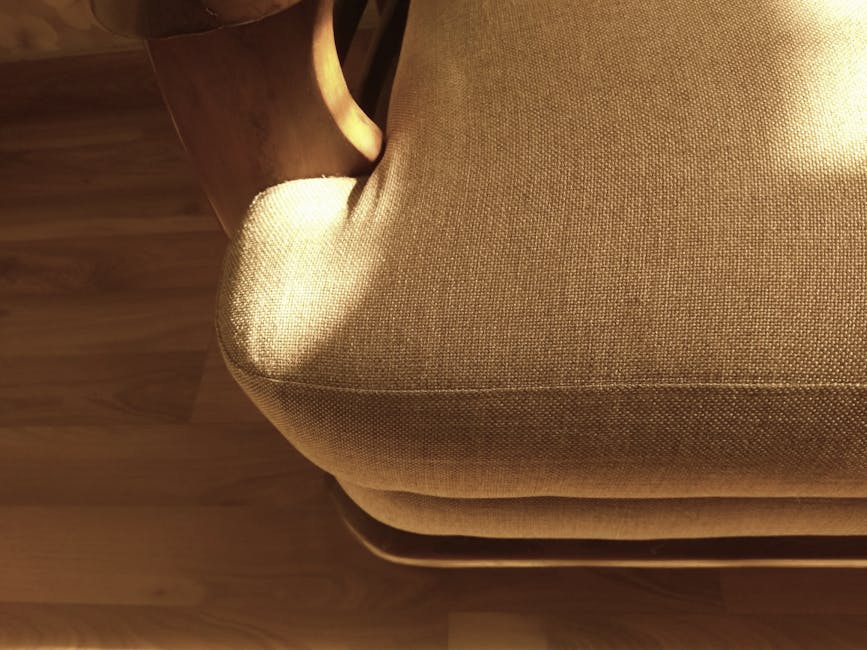
Canbury Gardens upholstery cleaning Kingston upon Thames: a practical guide for homes, landlords, and local businesses
If your sofa has picked up the usual mix of daily life, muddy shoes by the door, a coffee spill that seemed minor at the time, or that faint "lived-in" smell that settles in after winter, you are not alone. Canbury Gardens upholstery cleaning Kingston upon Thames is less about vanity and more about keeping your home or workspace fresh, comfortable, and looking properly cared for. In a local area like Canbury Gardens, where people want their rooms to feel calm and welcoming, clean upholstery makes a surprisingly big difference. It changes how a room feels the moment you walk in.
This guide breaks down what upholstery cleaning involves, how the process works, what to expect from a good service, and how to avoid common mistakes that can damage fabric or leave stains behind. You will also find a comparison of cleaning methods, a practical checklist, and a realistic example of how the work plays out in a typical Kingston home. If you are comparing broader services too, it can help to look at the wider cleaning services overview and the dedicated upholstery cleaning in Kingston upon Thames page for context.
Table of Contents
- Why Canbury Gardens upholstery cleaning Kingston upon Thames Matters
- How Canbury Gardens upholstery cleaning Kingston upon Thames Works
- Key Benefits and Practical Advantages
- Who This Is For and When It Makes Sense
- Step-by-Step Guidance
- Expert Tips for Better Results
- Common Mistakes to Avoid
- Tools, Resources and Recommendations
- Law, Compliance, Standards, or Best Practice
- Options, Methods, or Comparison Table
- Case Study or Real-World Example
- Practical Checklist
- Conclusion
- Frequently Asked Questions
Why Canbury Gardens upholstery cleaning Kingston upon Thames Matters
Upholstery gets more abuse than most people realise. It collects body oils, dust, pet hair, crumbs, pollen, and the occasional spill from tea, wine, or the child who swore they were "careful". In a neighbourhood like Canbury Gardens, where homes often balance busy family life, guests, commuting routines, and the odd rainy-day retreat, fabric furnishings end up working hard.
Cleaning upholstery matters for three main reasons. First, it helps extend the life of the fabric. Dirt is abrasive, so even when a sofa looks only lightly soiled, the fibres may be wearing down slowly. Second, it improves comfort and appearance. A clean armchair or sofa simply feels better to use. Third, it supports a healthier indoor environment by removing dust and common build-up from daily living. To be fair, no one wants to sit on a cushion that looks clean but smells a bit off.
There is also a property presentation angle. If you are letting, selling, or simply want the place to feel sorted, upholstery is one of those details people notice without always noticing. A room can be painted, dusted, and polished, yet still feel tired if the sofa looks dull. That is why local homeowners sometimes combine this with house cleaning in Kingston upon Thames or domestic cleaning support before guests arrive or after a busy season.
And if you are living locally, you may already know that Canbury Gardens has that comfortable residential feel where people want their interiors to be neat but not sterile. Clean upholstery fits that mood perfectly. It quietly does its job in the background. No drama, just a room that feels looked after.
How Canbury Gardens upholstery cleaning Kingston upon Thames Works
The exact method depends on the fabric, the level of soiling, and what the furniture is made from. A good cleaner will not treat every sofa the same way, because that is how you end up with overwetting, colour transfer, or a patchy finish. The process normally begins with inspection, then a fabric test, followed by the most suitable cleaning method.
In plain English, upholstery cleaning is about loosening dirt safely, lifting it away, and managing drying properly. That usually means one of the following approaches:
- Hot water extraction for many synthetic or hard-wearing fabrics, where cleaning solution and water are applied and extracted with specialist equipment.
- Low-moisture or dry cleaning methods for delicate materials that should not be saturated.
- Spot treatment for specific stains such as drinks, food, or light grease.
- Deodorising or fabric refreshing where odour control is part of the job.
The cleaner will usually check labels and manufacturer guidance first. That matters more than people think. A velvet armchair, for example, needs a different approach from a family sofa with a synthetic weave. Using the wrong method is not just inefficient; it can flatten the pile, leave rings, or create an uneven finish that is awkward to rescue later.
If you are comparing services, it helps to understand where upholstery cleaning sits alongside other routines like carpet cleaning in Kingston upon Thames. Carpets and upholstery often share the same indoor dust, pet hair, and spill issues, but they do not always need the same chemistry or moisture level. Different materials, different game plan.
Key Benefits and Practical Advantages
The obvious benefit is a cleaner-looking sofa or chair. But the practical value goes further than that.
- Longer furniture lifespan: removing dirt before it grinds into the fibres helps slow wear.
- Better appearance: colours often look brighter and fabric texture looks more even after a proper clean.
- Improved freshness: lingering food, pet, or smoke odours are easier to manage when upholstery is professionally cleaned.
- More comfortable living space: fresh seating changes the whole feel of a room.
- Useful for move-outs or viewings: if you are preparing a property, it can help the room read as well maintained.
There is a less obvious benefit too: upholstery cleaning can make you notice issues early. Loose seams, worn arms, hidden stains, sun fading, and fabric damage often become more visible once the grime is removed. That sounds slightly inconvenient, but it is actually useful because you can deal with problems before they become permanent.
Expert summary: the best upholstery cleaning is not the most aggressive cleaning; it is the cleaning that removes soil safely, suits the fabric type, and dries properly. That balance is what protects the furniture and gives the best finish.
For households that juggle children, pets, visitors, and limited time, the emotional win is real as well. A clean sofa is one less thing nagging at you in the background. Small thing, but it matters. Especially on a grey Kingston afternoon when the room is otherwise doing its best to feel cosy.
Who This Is For and When It Makes Sense
This service is relevant for more people than you might first assume. It is not just for "dirty sofas"; it is for anyone who wants to keep fabric furnishings in decent condition without replacing them too soon.
You may want Canbury Gardens upholstery cleaning Kingston upon Thames if you are:
- a homeowner trying to refresh a tired living room
- a tenant wanting the property to look well cared for
- a landlord preparing a tenancy handover
- an Airbnb or short-let host between bookings
- a family managing spills, pets, and general wear
- a local office or professional space with fabric seating
- someone with allergies or sensitivity to built-up dust, where a thorough clean may help reduce surface build-up
Timing matters too. The best moments to book are often before a special event, after winter, during spring cleaning, after a pet-related accident, or when a sofa begins to look dull even after vacuuming. If you have just had guests over and noticed marks on the armrests, that is a pretty decent sign it is time.
For people interested in local property presentation, it may also make sense to read Kingston living: what you need to know or how to market real estate in Kingston. Furniture condition is part of the overall impression, and in this part of London, presentation can quietly influence how people feel about a home.
Step-by-Step Guidance
If you are wondering what happens during a proper upholstery clean, here is the process in a straightforward way. No mystery, no theatre.
- Inspection and fabric identification. The cleaner checks the material, construction, visible stains, and any care labels.
- Testing. A small area is tested for colourfastness and reaction to the cleaning solution.
- Dry soil removal. Loose dust, hair, and crumbs are removed with vacuuming and the right attachments.
- Pre-treatment. Stains or heavy traffic areas may get a targeted solution to loosen soil.
- Main clean. The chosen method is applied carefully, with attention to moisture control.
- Extraction or wipe-down. Soil and residue are removed as fully as possible.
- Detail work. Arms, seams, and corners are checked for missed spots.
- Drying guidance. The cleaner explains ventilation and expected drying time.
That last part is more important than it sounds. Good drying is half the job. If a sofa is left damp for too long, you may end up with odour or water marks. A clean sofa that never dries properly is not much of a win, let's face it.
If you are booking alongside other home cleaning, it can be efficient to coordinate upholstery work with end of tenancy cleaning or broader office cleaning in Kingston upon Thames where fabric seating is common in reception areas or shared rooms.
Expert Tips for Better Results
There are a few simple things that make a real difference, and they are often skipped by people in a hurry.
- Check the care label before anything else. W, S, WS, or X labels tell you how the fabric should be treated.
- Vacuum first. It sounds basic, but removing dry dust helps the cleaning process work better.
- Treat stains early. Fresh marks are far easier to deal with than old, heat-set ones.
- Do not oversoak fabric. Too much moisture can leave rings, slow drying, and make the finish look uneven.
- Use the right attachment. Upholstery needs gentle tools, not the same approach as carpets.
- Keep air moving after cleaning. Open windows where possible, and avoid sitting on the furniture until it is dry.
A small but useful point: if you have pets, brush or vacuum hair before the visit. It saves time and improves contact between the fabric and the cleaning process. Nothing glamorous, but it works. Also, if you have a favourite throw that sits over the same sofa arm every day, remove it before cleaning so the whole surface gets treated evenly.
One more thing. If a stain has been there for months, do not assume it cannot improve. It might not disappear completely, but a careful clean often lifts enough of it to make the fabric look much better. That is usually the realistic win.
Common Mistakes to Avoid
Some upholstery damage happens because people try to fix things quickly. Understandable, of course, but not always helpful.
- Rubbing stains hard: this can push them deeper into the fibres and spread the mark.
- Using random household chemicals: bleach, strong sprays, and harsh detergents can discolour fabric.
- Ignoring fibre type: velvet, linen blends, synthetics, and leather-like materials all behave differently.
- Cleaning only the stain, not the full panel: this can leave a visible tide mark.
- Skipping drying time: using the furniture too soon may flatten pile or re-soil the fabric.
- Assuming one method suits everything: not every seat wants the same treatment.
One of the most common issues is what we might call "spot panic". Someone notices a mark, sprays it, wipes it, then wipes again, and suddenly the patch is larger than the original stain. Happens all the time. Better to stop, blot gently, and choose the right approach.
If you want to avoid messy disputes over expectations, especially in rental properties, it helps to review service terms and booking details beforehand. Pages like the terms and conditions and complaints procedure can be useful references for understanding how a provider handles issues and follow-up.
Tools, Resources and Recommendations
Professional upholstery cleaning relies on the right equipment, but you do not need to be an engineer to understand the basics.
| Tool or resource | What it does | Why it matters |
|---|---|---|
| Upholstery vacuum attachment | Lifts dry dust, crumbs, and hair | Prepares the fabric for deeper cleaning |
| Fabric-safe pre-spray | Loosens embedded soil | Improves stain release without harsh scrubbing |
| Microfibre cloths | Helps with blotting and detailing | Useful for controlled spot work |
| Extraction or low-moisture system | Removes dirt from the fabric | Chosen according to fabric type and condition |
| Airflow and drying aids | Helps furniture dry safely | Reduces odour and drying issues |
From a customer point of view, the most helpful "resource" is good information. Ask what method will be used, whether the fabric has been tested, and how long drying is likely to take. Those are sensible questions, not awkward ones. If the answers sound vague, that is worth noticing.
It can also help to compare upholstery cleaning with related services if you are planning a broader refresh. For example, a cleaned sofa may look even better after the surrounding room has been tidied and floors have been handled too. People often pair this with a broader home reset before they entertain, particularly if they have been reading about where to spend time in Kingston and want their own space looking just as inviting.
Law, Compliance, Standards, or Best Practice
Upholstery cleaning is not usually a highly regulated service in the way some trades are, but good providers should still work to clear professional standards. In the UK, the sensible expectations are straightforward: use products safely, follow manufacturer instructions where available, handle equipment responsibly, and avoid making untested claims about what a fabric can tolerate.
Where safety is concerned, a trustworthy company should be able to explain its approach to risk, product handling, and insurance in plain English. That is especially relevant in homes with children, pets, elderly occupants, or anyone sensitive to cleaning residues. If a company says "don't worry about it" to every question, that is not always reassuring. Sometimes it is just lazy.
It is also reasonable to expect a cleaner to respect privacy and property. That means being careful around personal items, working tidily, and leaving the room in a usable state. For more detail on company standards, you can review insurance and safety information as well as the health and safety policy. If you want to understand the business side, about us is also a sensible place to look.
On the customer side, the best practice is simple: give accurate information about fabric type, stains, access, and any previous treatments. A cleaner can only work with the details they are given. If a cushion has already been treated with a mystery spray from under the sink, say so. It helps.
Options, Methods, or Comparison Table
Not every sofa needs the same method, and that is where a lot of confusion starts. Here is a simple comparison that may help.
| Method | Best for | Pros | Watch-outs |
|---|---|---|---|
| Hot water extraction | Many synthetic fabrics and general deep cleaning | Strong soil removal, good overall refresh | Needs careful moisture control and drying time |
| Low-moisture cleaning | Delicate fabrics and quicker turnaround | Faster drying, gentler on some materials | May be less effective on heavy staining |
| Dry cleaning | Fabric that should not be saturated | Minimal water, useful for specific textiles | Not suitable for every type of soil or stain |
| Spot treatment only | Small localised marks | Fast, targeted, useful as a touch-up | May leave visible contrast if the whole area is dirty |
For many homes in Canbury Gardens, the best approach is a combination: vacuuming, pre-treatment, a fabric-safe main clean, and careful drying. Not dramatic. Just effective. In some cases, a light maintenance clean is all that is needed. In other cases, a sofa that has taken years of family life may need more patience and a more tailored plan.
If you are comparing services and want a sense of how different cleaning categories fit together, it can be useful to browse the service overview alongside the upholstery page. That helps you avoid choosing a package that is too broad or too narrow for the job.
Case Study or Real-World Example
Here is a realistic local example. A family in Canbury Gardens had a two-seat sofa in a light neutral fabric. It was not visibly "dirty" in the dramatic sense, but the arms were darker than the rest, a few food marks had set in, and the fabric had lost its fresh look. The room itself was tidy. The sofa, however, was letting the room down a bit. You could see it immediately once the sunlight came through in the morning.
The cleaner inspected the fabric, checked the care label, and tested a small area first. The sofa had routine dust build-up, a couple of older spots, and some general body oil on the contact points. After vacuuming and careful pre-treatment, the cleaner used a suitable low-moisture method to avoid over-wetting. The results were not magic, but they were very noticeable. The arms looked more even, the colour appeared brighter, and the room felt fresher without any other changes.
The main lesson? The family had been considering replacing the sofa. Once cleaned properly, they decided it still had a few years left in it. That is often how these things go. A good clean can buy time, and quite a lot of it sometimes.
In a rental or sales context, that same kind of refresh can support presentation. If you are preparing a property more broadly, local reading like your Kingston property investment guide may be useful for understanding how small presentation details add up.
Practical Checklist
Use this before booking or before a cleaner arrives.
- Check the fabric care label if you can find it.
- Identify any known stains, spills, or previous treatments.
- Remove loose cushions, throws, and small items from the area.
- Vacuum the upholstery lightly if the cleaner has asked you to prepare it.
- Point out delicate trims, buttons, loose threads, or repairs needed.
- Share any concerns about pets, allergies, or access.
- Ask which cleaning method is likely to be used.
- Confirm how long the fabric may take to dry.
- Keep the room ventilated if possible after the clean.
- Avoid using the furniture until it is fully dry.
Quick takeaway: the best results come from matching the right method to the right fabric, then giving the furniture enough time to dry properly. Everything else sits on top of that. A simple idea, but very true.
Conclusion
Canbury Gardens upholstery cleaning Kingston upon Thames is one of those services that quietly improves daily life. It refreshes the room, protects your furniture, and helps your home feel more settled and well cared for. Whether you are dealing with a visible stain, a tired-looking sofa, pet hair, or general wear, the key is to use a method that suits the fabric and to avoid rushing the process.
The local value is real too. In a neighbourhood where homes are lived in properly, not staged like showrooms, upholstery cleaning gives you a practical middle ground: clean, comfortable, and still very much home. If you are planning a broader refresh, it can be worth looking at the wider cleaning options and choosing the right support for your space. A room that feels fresh is a small pleasure, but a very real one.
Get a free quote today and see how much you can save.
And if you are still deciding, that is fine. Start with the fabric you use most, ask a few good questions, and take it from there. A good clean has a way of making the whole place breathe a little easier.
Frequently Asked Questions
What does upholstery cleaning involve for a sofa in Canbury Gardens?
It usually includes inspection, fabric testing, vacuuming, stain pre-treatment, the chosen cleaning method, and controlled drying. The exact process depends on the material and condition of the furniture.
How often should upholstery be professionally cleaned?
There is no single rule, but many households book a professional clean every 12 to 24 months, or sooner if the furniture gets heavy use, has pets, or suffers regular spills.
Is upholstery cleaning safe for delicate fabrics?
It can be, provided the method matches the fabric. Delicate materials need careful testing and lower-moisture techniques. That is why fabric identification matters so much.
Can old stains be removed completely?
Sometimes yes, sometimes partially. Older stains are harder because they may have set into the fibres. A good cleaner can often improve them significantly, even if total removal is not realistic.
How long does upholstery take to dry?
Drying time depends on the fabric, the cleaning method, room temperature, and ventilation. Some items dry relatively quickly, while others need longer. Ask for guidance before the clean starts.
Will upholstery cleaning get rid of smells?
It can reduce many common household odours, especially those caused by everyday use, food, pets, or general build-up. Strong or deeply embedded smells may need more targeted treatment.
Should I vacuum the sofa before the cleaner arrives?
Yes, if asked to do so. Light vacuuming helps remove loose debris and gives the cleaning process a better starting point. It is a small step that makes a useful difference.
Is upholstery cleaning worth it before selling a property?
Very often, yes. A cleaner sofa or armchair can improve the feel of a room and help the property present better. It is a subtle change, but buyers and viewers do notice it.
Can upholstery cleaning be combined with other cleaning services?
Yes, and that is common. Many people combine it with carpet cleaning, house cleaning, or end of tenancy cleaning to give the home a more complete refresh.
What should I ask before booking a cleaning service?
Ask about the cleaning method, whether the fabric will be tested, expected drying time, what happens with difficult stains, and whether the provider carries appropriate insurance and safety procedures.
Does upholstery cleaning help with pet hair and dander?
It can help remove pet hair and surface build-up, especially when combined with careful vacuuming and the right attachments. If pets use the furniture every day, regular maintenance is a good idea.
What is the difference between upholstery cleaning and carpet cleaning?
Carpets and upholstery both need dirt removal, but they are made from different materials and usually require different moisture levels, tools, and techniques. One method does not automatically suit the other.
For more background on the company, you may also want to review payment and security and the privacy policy if you are checking booking details. And if you are simply learning more about local life and property care, the Kingston area guides can be a surprisingly handy read too.