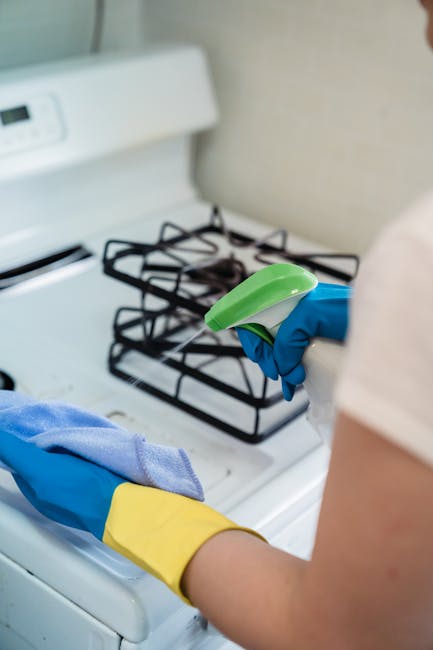
Avoid Common Cleaning Mistakes Kingston upon Thames Homes
If you live in Kingston upon Thames, you already know the pace of home life can be a bit of a juggling act. Busy mornings, muddy shoes after a walk by the river, cooking smells that cling a little too well, and the usual weekend reset that somehow turns into a bigger job than expected. The problem is not usually a lack of effort. It is the little cleaning mistakes that quietly undo your work.
This guide shows you how to avoid common cleaning mistakes Kingston upon Thames homes often run into, from using the wrong products on delicate surfaces to cleaning in the wrong order and spreading grime around. You will find practical steps, expert habits, common pitfalls, and a realistic way to clean better without turning every room into a project. Let's face it, nobody wants to clean the same skirting board twice.
Whether you are keeping a flat near the town centre, a family house in Norbiton, or a period property with a few more quirks than you'd like, the same basic principles apply: use the right method, protect the surface, and avoid rushing the details that matter.
Table of Contents
- Why this matters for Kingston upon Thames homes
- How better cleaning habits work in practice
- Key benefits and practical advantages
- Who this is for and when it makes sense
- Step-by-step guidance
- Expert tips for better results
- Common mistakes to avoid
- Tools, resources and recommendations
- Law, compliance, standards, and best practice
- Options, methods, and comparison table
- Case study or real-world example
- Practical checklist
- Conclusion
- Frequently asked questions
Why Avoid Common Cleaning Mistakes Kingston Upon Thames Homes Matters
Cleaning mistakes are easy to dismiss because they rarely look dramatic at first. A streaky mirror, a sticky floor, a dull worktop, a faint smell that keeps returning. Small things, right? But over time, those small things become wear, wasted effort, and extra cost.
In Kingston upon Thames homes, this matters for a few reasons. First, many properties include a mix of finishes: painted walls, timber floors, stone worktops, older sash windows, modern appliances, and soft furnishings that all react differently to moisture and cleaning agents. Second, the local rhythm of life means more tracked-in dirt than people expect. Wet weather, buses, parks, shared entrances, and shoes coming and going all day add up quickly.
When cleaning is done badly, you may also end up with hidden problems. Too much water can affect wood. Strong products can strip sealants. Abrasive pads can scratch glossy surfaces. Even the order you clean in can push dust from one room to another. That is why avoiding mistakes is not about being fussy. It is about protecting the home you already have.
Practical takeaway: better cleaning is usually less about scrubbing harder and more about choosing the right method for the surface, the mess, and the room.
And yes, sometimes the quickest-looking shortcut turns into the longest job. Happens to the best of us.
How Avoid Common Cleaning Mistakes Kingston Upon Thames Homes Works
The idea is simple: clean in a way that removes soil without damaging the surface or spreading the mess. That means matching your product, cloth, and technique to the task in front of you. If you understand the basics, most mistakes become easy to avoid.
A good cleaning routine usually follows four ideas:
- Loosen the dirt first with dusting, vacuuming, or a suitable pre-treatment.
- Lift the grime with the least aggressive method that will still work.
- Rinse or wipe away residue so the surface does not become sticky or dull.
- Dry properly to avoid streaks, water marks, mildew, or damage.
That sounds basic, but most problems come from skipping one of those steps. For example, spraying a bathroom cleaner and wiping immediately may leave soap scum in place. Or using too much product on laminate can create a cloudy film that attracts more dust. Cleaners and homeowners alike see this all the time.
There is also a big difference between routine cleaning and restorative cleaning. A weekly wipe-down is meant to maintain. A deeper clean is meant to reset. If you treat every task like a deep clean, you may overuse chemicals or scrub too hard. If you treat every task like a quick tidy, grime settles in and becomes harder to remove.
Key Benefits and Practical Advantages
When you avoid common cleaning mistakes, the improvements are not subtle. The home looks fresher, surfaces last longer, and the whole process becomes less frustrating. That is the honest truth of it.
- Less damage to surfaces: Wood, stone, grout, painted walls, and upholstery all keep their finish for longer when treated correctly.
- Better results with less effort: The right method reduces scrubbing and repeat work.
- Lower product waste: You use only what you need, which is kinder to the budget and the environment.
- Improved hygiene: Cleaning in the right order helps remove dirt instead of moving it around.
- More consistent standards: A repeatable process makes weekly cleaning much easier to maintain.
There is a quieter benefit too: confidence. Once you know what not to do, you stop second-guessing yourself in the kitchen or bathroom. You can look at a surface and think, "Right, that needs this approach," instead of reaching for the nearest spray and hoping for the best.
For larger homes or busy households, that confidence matters because time is usually tight. Nobody wants to spend Saturday afternoon re-cleaning a floor that has gone hazy because of too much detergent. Nobody.
Who This Is For and When It Makes Sense
This guidance is useful for almost anyone keeping a home in Kingston upon Thames, but it is especially helpful if your property has mixed materials, high footfall, pets, children, or older fittings that need a gentler touch.
It makes sense if you are:
- a homeowner trying to keep finishes in good condition
- a tenant wanting to avoid disputes over avoidable wear
- a landlord or letting manager maintaining presentation between occupancies
- a busy household wanting a more efficient cleaning routine
- someone preparing for guests, a sale, or a seasonal reset
It is also useful if you have previously noticed recurring cleaning issues such as streaky glass, sticky kitchen surfaces, smelly bins, dull taps, or floors that never quite look clean no matter how much you wipe them. Usually, that means the method needs adjusting rather than the effort increasing.
To be fair, some people simply do not want to think about cleaning science on a Tuesday evening. Fair enough. The good news is that most of the fixes are simple once you know them.
Step-by-Step Guidance
Below is a practical sequence you can use for most home cleaning tasks. It is not the only way, but it is reliable and easy to repeat.
1. Identify the surface first
Before you grab a product, pause for a second. Is it sealed wood, natural stone, stainless steel, glass, vinyl, painted plaster, or fabric? Each one behaves differently. If you do not know, check a small hidden area first.
2. Remove loose debris before wet cleaning
Dust, crumbs, and grit should be removed before any liquid goes down. Vacuum floors, brush up dry debris, or wipe with a dry microfibre cloth. This prevents scratching and keeps muddy residue from turning into a paste.
3. Choose the least aggressive method that works
Start gently. Many surfaces only need warm water, a suitable neutral cleaner, and a soft cloth. Stronger products are for stubborn issues, not routine use.
4. Work from top to bottom
Dust high shelves, light fittings, and tops of cabinets before wiping lower areas. In a bathroom, that means mirrors and shelves before the basin and floor. In a kitchen, it means cupboards and splashbacks before worktops and skirting.
5. Use controlled amounts of product
More cleaner does not mean more clean. Excess product often leaves residue, attracts dust, or creates smears. Follow the label, and if a surface feels tacky after cleaning, you probably used too much.
6. Allow dwell time where needed
Some products need a short wait to break down grease or limescale. Wiping too soon can waste the whole effort. A minute or two can make all the difference.
7. Rinse, wipe, and dry properly
Residual product left behind can dull finishes. Use a clean damp cloth if needed, then dry with a separate cloth. This matters especially on glass, chrome, and stone.
8. Finish by checking the problem spots
Handles, taps, switches, tile edges, and around bin lids often need a second glance. They are the places where habits show. If those are clean, the room usually feels clean too.
Expert Tips for Better Results
Here are the habits that save the most time in real homes. These are the sorts of things you only appreciate after a few disappointing cleaning sessions.
- Use two cloths, not one. One for lifting dirt, one for drying or finishing. Cross-contamination happens fast when everything gets wiped with the same cloth.
- Change water more often than you think. Cloudy rinse water just redeposits grime, especially on floors and skirting.
- Test first on delicate or unfamiliar surfaces. A patch behind a door or under a sink is better than discovering a problem on the main surface.
- Do not mix products. This is one of the biggest safety mistakes. If in doubt, use one cleaner at a time and ventilate the room.
- Keep microfibre cloths clean. A dirty cloth spreads grease around and leaves lint. Wash them properly and avoid fabric softener if possible, as it can reduce absorbency.
- Clean in daylight when you can. Evening light can hide streaks, smears, and missed spots. Morning light has a habit of exposing everything, rather unkindly.
Another useful habit is to build short routines around rooms rather than products. Kitchen tasks, bathroom tasks, and floor tasks each have a predictable rhythm. Once you know the sequence, you move faster and make fewer mistakes.
And if a surface keeps coming out worse after cleaning, stop and reassess. Sometimes the "fix" is not stronger cleaner. Sometimes it is gentler cleaner, better drying, or simply less interference.
Common Mistakes to Avoid
This is where a lot of cleaning effort gets wasted. The mistakes below are common in Kingston upon Thames homes, and they are all avoidable with a small shift in approach.
Using too much product
It feels logical, but it often leaves residue and streaks. In kitchens, excess spray can create a film on cabinets. On floors, it can make surfaces look dull or feel slightly sticky underfoot.
Cleaning glass with a heavy hand
Mirrors and windows often end up with more wiping than needed. The result is lint, streaks, and a patchy finish. A light application and a dry finish usually works better.
Scrubbing delicate finishes
Gloss paint, laminate, stainless steel, and sealed stone can all mark if attacked with abrasive pads. If it scratches easily, treat it like it scratches easily. Simple.
Ignoring the order of cleaning
If you clean the floor first and then dust shelves, you will probably just put debris back down. Top-down cleaning saves time and gives a better finish.
Letting water sit too long
Standing water around sinks, bath edges, or wooden joins can cause swelling, marks, or mildew. Drying matters more than many people think.
Forgetting high-touch points
Door handles, light switches, appliance pulls, and bannisters are easy to overlook. Yet they make a room feel either properly cleaned or oddly unfinished.
Using one cloth for everything
This spreads grease, dust, and bacteria from room to room. It is one of those mistakes that feels harmless until you notice the kitchen smells a bit off again two hours later.
Overlooking ventilation
Bathrooms, laundry areas, and kitchens need airflow when you clean. It helps products work properly and reduces lingering moisture. Open a window where practical.
Not reading label guidance
Different products have different contact times, dilution needs, and surface limits. Skipping that tiny bit of instruction can make a decent cleaner look ineffective, or worse, leave damage behind.
Tools, Resources and Recommendations
You do not need a cupboard full of gadgets. In fact, having fewer, better tools usually makes home cleaning simpler.
Useful basics to keep on hand
- microfibre cloths for dusting and finishing
- a soft sponge for general cleaning
- a vacuum with suitable attachments
- a mop that can be wrung out properly
- a small brush for grout, corners, and tracks
- non-abrasive cleaner suitable for multi-surface use
- glass cleaner used sparingly and correctly
How to choose wisely
Choose tools that suit the surfaces in your home, not the flashiest option on the shelf. If you have lots of hard flooring, a vacuum and mop combination matters more than a cupboard full of specialist sprays. If your bathrooms are prone to limescale, a suitable descaler used carefully is more useful than aggressive scrubbing.
For households trying to reduce waste, it also helps to think about refillable bottles, washable cloths, and sensible dosing. If sustainability is on your mind, the page on recycling and sustainability is a useful place to start understanding the wider approach.
And if you prefer to compare professional options before booking anything, the pricing and quotes information can help you make a more informed decision without guessing.
Law, Compliance, Standards, or Best Practice
For ordinary household cleaning, the main thing is to follow sensible UK best practice rather than chase complicated rules. Where cleaning products are involved, the safest approach is straightforward: read the label, use products as directed, ventilate rooms, keep chemicals away from children and pets, and never mix cleaners unless the instructions specifically say it is safe.
If you hire help in your home, trust and safety become even more important. A professional cleaner should operate with clear terms, sensible handling practices, and appropriate care for your property. It is reasonable to ask how they protect surfaces, manage chemicals, and handle accidental damage.
For a cleaner understanding of service expectations, many readers find it helpful to review health and safety policy details, insurance and safety information, and the terms and conditions before they book.
If you are ever unsure about what is covered, how complaints are handled, or how your data is used when requesting a service, the relevant pages on complaints procedure and privacy policy are worth checking. That sounds dry, but it saves awkwardness later. Nobody enjoys misunderstandings after the work is done.
One more thing: if you are arranging access, payment, or communication with a provider, look for clear, secure processes. The payment and security page and the contact us page can tell you a lot about how smoothly the service is likely to run.
Options, Methods, or Comparison Table
Not every cleaning approach suits every job. Here is a simple comparison that helps you choose the right method without overcomplicating things.
| Method | Best for | Strengths | Common risk |
|---|---|---|---|
| Dry dusting and vacuuming | Loose debris, carpets, skirting, upholstery | Prevents scratching, quick and effective | Misses sticky grime if used alone |
| Light damp wiping | Most everyday hard surfaces | Gentle, low residue, easy to repeat | Can spread dirt if cloth becomes too dirty |
| Targeted product cleaning | Grease, limescale, bathroom buildup | More effective on specific problems | Overuse can damage finishes or leave residue |
| Deep cleaning | Neglected areas, seasonal resets, move-in/move-out jobs | Restores appearance and hygiene | More time-consuming, greater chance of overworking surfaces |
A practical rule of thumb: if the surface looks clean but still feels slightly tacky, you probably need a better rinse or a lighter product. If the room smells "clean" but the surfaces still look cloudy, the finish is likely the issue, not the fragrance.
For many Kingston homes, the best method is a mix of gentle routine care and occasional deeper attention. The trick is not to turn every cleaning session into a marathon.
Case Study or Real-World Example
A family in a Kingston flat was struggling with a kitchen that never quite looked finished. The worktops seemed dull, the cabinet doors had a faint film, and the floor looked fine until the evening light hit it. They were cleaning regularly, so it was a bit baffling.
The issue turned out to be a familiar one: too much all-purpose spray, one cloth for every surface, and no proper drying step. The worktops were being wiped, but residue was left behind. The floor was being mopped with water that was too dirty by the end. And the cloth used on cabinets was also being used on greasy handles.
Once the routine changed, the result was immediate. They started dusting before wet cleaning, used separate cloths for kitchen surfaces and drying, reduced product quantity, and gave worktops a final wipe with clean water. Nothing dramatic, no miracle product, just better habits. The room felt lighter. The sort of clean you notice when you walk in with shopping bags and think, yes, that is better.
That is usually how it goes. A cleaning problem that feels stubborn is often just a process problem. Fix the process, and the room behaves better.
Practical Checklist
Use this checklist when you want a cleaner result without overthinking it.
- Identify the surface before using a product
- Remove dry dust, crumbs, or grit first
- Use the mildest effective cleaner
- Follow product contact time if needed
- Work from top to bottom
- Use clean cloths and fresh water
- Avoid soaking wood or fabric
- Rinse or wipe away residue
- Dry glass, chrome, and stone properly
- Check handles, switches, and corners before finishing
- Ventilate rooms while cleaning
- Store products safely away from children and pets
Quick self-check: if a room still looks off after you clean it, ask whether the problem is dirt, residue, or damage. That one question saves a lot of unnecessary scrubbing.
Conclusion
A better clean in Kingston upon Thames is usually not about doing more. It is about doing the right things in the right order, with a bit more care around products, cloths, drying, and surface type. Once you stop the common mistakes, the whole process becomes easier, faster, and much more satisfying.
Whether you are maintaining a family home, keeping a rental tidy, or simply trying to make weekend cleaning less annoying, these habits will help you protect your surfaces and get better results without the usual frustration. Small changes, real difference.
If you are comparing support, checking trust details, or planning a more professional clean, it can also help to learn more about the company background on the about us page and the wider service approach through the site's policy pages. That way, you know what to expect before anything starts.
Get a free quote today and see how much you can save.
And if you take just one thing from this guide, let it be this: gentler, more thoughtful cleaning usually wins in the end. It is calmer, cleaner, and a lot less frustrating.
Frequently Asked Questions
What is the most common cleaning mistake in Kingston upon Thames homes?
Using too much product is probably the most common mistake. It leaves residue, makes surfaces look cloudy, and often means you need to clean again anyway. A lighter approach usually works better.
How do I avoid streaks on mirrors and glass?
Use a small amount of suitable glass cleaner, a clean microfibre cloth, and a dry finishing cloth. Wipe gently rather than repeatedly polishing the same area, because that tends to create more streaks, not fewer.
Is it bad to use one cloth for the whole house?
Yes, that is a common source of cross-contamination and dull finishes. At minimum, keep separate cloths for kitchens, bathrooms, and drying. Clean cloths make a bigger difference than most people expect.
Can I use strong cleaner on every surface to save time?
Not safely. Some surfaces, especially wood, laminate, painted finishes, and natural stone, can be damaged by harsh products. A gentler cleaner used correctly is often faster in the long run because it avoids repairs and rework.
Why does my floor look dull after mopping?
It is often due to too much detergent, dirty mop water, or not rinsing properly. Floors can also look dull if the wrong product is used for the finish. A cleaner rinse and a better wring-out usually help.
How often should I deep clean a home?
That depends on lifestyle, footfall, pets, and room type. A busy kitchen or bathroom may need deeper attention more often than a spare room. The key is to use routine cleaning to prevent buildup, so deep cleaning is less demanding.
What cleaning mistakes are most damaging to older homes?
Using too much water, scrubbing too hard, and applying harsh products to old wood, plaster, or sealed stone can be risky. Older homes often need a lighter touch and a bit more patience.
Do professional cleaners avoid the same mistakes?
Good ones do, because they work from a process and know which surfaces need care. That said, standards vary, so it is reasonable to ask about methods, safety, and insurance before booking. Clear expectations matter.
What should I check before hiring a cleaning service?
Look at service details, safety handling, insurance, terms, pricing transparency, and how complaints are handled. The relevant pages on insurance and safety, pricing and quotes, and complaints procedure are sensible starting points.
How can I make cleaning feel less overwhelming?
Break it into room-by-room routines and focus on the order: dry debris first, then wet clean, then dry the surface. Keeping the process simple makes it much easier to stay consistent. One room at a time, honestly, is enough.
Are eco-friendly cleaning habits effective in everyday homes?
Yes, if they are used sensibly. Using less product, choosing washable cloths, and avoiding wasteful repeat cleaning can be both effective and more sustainable. The key is not the label alone, but the method behind it.
What should I do if I keep damaging a surface while cleaning?
Stop using the same method and test a gentler approach on a hidden area first. If the surface is delicate or valuable, it may be worth getting advice before continuing. Sometimes the safest step is to pause, not push through.